
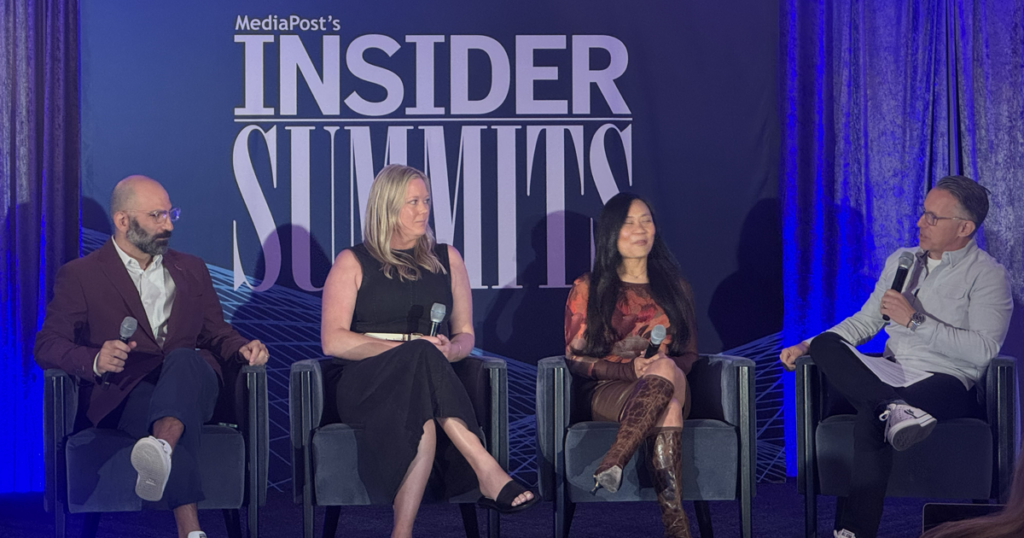
In a city known for blending cultures, rhythms, and stories, it felt fitting that some of the sharpest minds in video and media gathered in New Orleans to tackle an industry facing its own kind of convergence. At this year’s 2026 TV & Video Insider Summit, industry leaders came together to unpack how a rapidly evolving landscape — where screens, platforms, and audiences constantly intersect — demands a new playbook for marketers.
If there was one message that cut through the noise at the TV & Video Insider Summit, it was this: viewers aren’t fragmented; they’re simply everywhere at once. And for marketers, that reality demands a shift in how we think about planning, consistency, and the role of content across platforms.
Across sessions, speakers emphasized a shift from channel-first thinking to experience-first planning. Consumers move between screens in predictable ways, shaped by context, time of day, and mindset. Winning strategies don’t chase impressions; they design sequences.
TV emerged as a powerful (and often underestimated) driver of performance. Far from being just a brand play, it fuels branded search, which in turn drives conversions. The takeaway: brand and performance aren’t separate; they’re deeply connected.
YouTube and CTV also continue to blur lines, functioning simultaneously as TV, social, audio, and commerce platforms, unlocking net-new audiences when used strategically. But scale comes with risk. As CTV grows, so does fraud, making supply path discipline and inventory quality more critical than ever.
Meanwhile, AI is reshaping planning — not by replacing humans, but by enhancing them. The real opportunity lies in combining automation with human intuition to predict and influence behavior.
Consumers Move Predictably — If You Know What To Look For
During the liveliest discussion of the week, panelists pushed back on the long‑held belief that audiences are chaotic and impossible to track. In their view, the opposite is true: consumer movement between screens follows patterns that are more structured than most planners assume.
People shift based on context, time of day, and mindset — not randomness. Morning routines, commutes, evening wind‑downs, and weekend habits all shape how viewers choose platforms and content. The job of the modern planner, they argued, is to design for those experiences rather than obsess over channels in isolation.
A New Kind of Media Planning Is Emerging
Taken together, the panelists painted a picture of a media landscape that’s not fractured but fluid. Viewers move across screens with intention. They expect consistency. They reward authenticity. And they’re more reachable than the industry often admits — if planners are willing to rethink old assumptions.
The conversation also hinted at a broader shift underway:
- Planning is becoming experience‑based, not channel‑based.
- Activation is becoming audience‑first, not platform‑first.
- Content is becoming integrated, not interruptive.
It’s a recalibration of mindset as much as strategy.
Why This Conversation Mattered
The TV & Video Insider Summit has always been a place where industry leaders compare notes on what’s working, what’s changing, and what’s next. But this session stood out because it challenged a narrative that has dominated the industry for years: that fragmentation is the problem.
The panelists made a compelling case that fragmentation is simply the symptom of a more dynamic, more empowered viewer. And if marketers can embrace that dynamism — with smarter planning, consistent activation, and more thoughtful content — the opportunities are bigger than ever.
In a landscape where attention is precious and competition is fierce, the brands that win will be the ones that understand the simple truth at the heart of this discussion: audiences aren’t lost; they’re just everywhere. And that’s exactly where we should be planning to meet them.
In Conclusion
The conversations in New Orleans made one thing unmistakably clear: audiences aren’t fractured — they’re moving fluidly across an ever‑expanding ecosystem. When planners shift from channel‑based thinking to experience‑based design, the path to reaching those audiences becomes far more predictable and far more powerful. The week’s discussions underscored how TV, CTV, YouTube, and AI each play a role in creating that consistency, provided marketers stay disciplined about quality and intent. In the end, the opportunity isn’t in fighting fragmentation; it’s in meeting viewers everywhere they already are.
For more information, visit harmelin.com, or connect with us on LinkedIn or Facebook.