
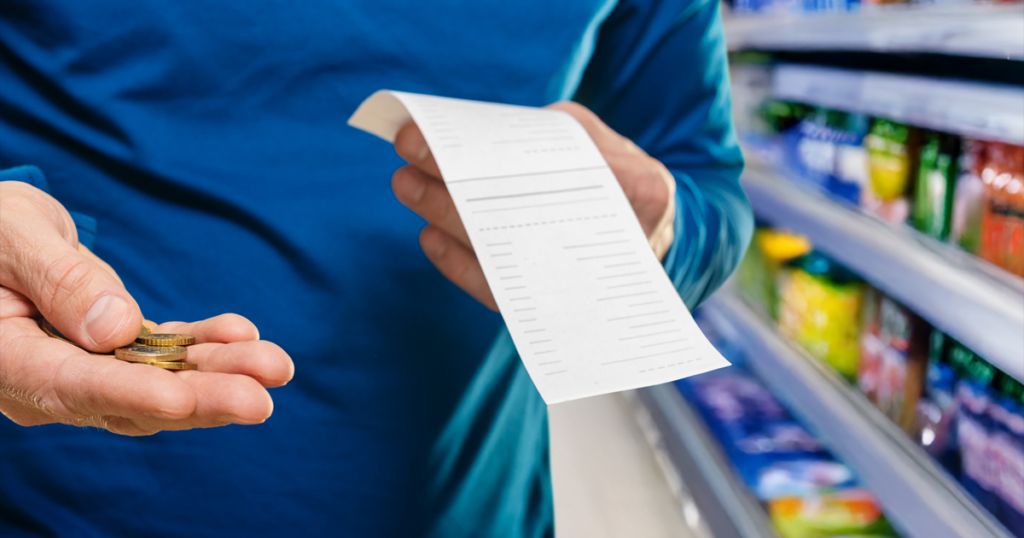
Grocery shopping is entering a new era of precision and pragmatism. As food prices continue to climb, consumers across income levels are becoming more price-sensitive, reshaping habits in ways that ripple across the entire retail landscape. Inflation, rising housing costs, debt, and sluggish wage growth are pushing shoppers to cut back on discretionary spending, seek value, and rethink where and how they buy essentials.
This shift is fueling the rapid rise of private-label brands, now commanding $330 billion in sales and nearly a quarter of unit share, as trust grows — especially among younger consumers who increasingly see them as equal to national brands. At the same time, brick-and-mortar stores are seeing renewed traffic, but with a twist: shoppers are making more frequent, smaller trips and spreading purchases across multiple retailers to maximize savings, intensifying competition at the item level.
Retailers are feeling the pressure to adapt. Store closures, like Grocery Outlet’s latest restructuring effort, highlight the ongoing challenge of balancing profitability with growth in a changing market. Meanwhile, convenience remains a key battleground, with DoorDash solidifying its leadership in third-party grocery delivery through expanding partnerships with major and regional grocers alike.
Together, these trends lead to a more deliberate, value-driven consumer — one who is reshaping the rules of grocery retail in real time.

Consumer Buying Habits Are Adjusting Due to Continued Increases in Food Pricing
Rising food prices continue to reshape how consumers approach everyday spending, driving a noticeable shift toward more cautious, value-oriented buying habits. What was once a concern primarily for lower-income households has now broadened across income levels, as inflationary pressure combines with elevated housing costs, growing debt burdens, and relatively stagnant wage growth. The result is a more universally price-sensitive shopper who is re-evaluating priorities at the shelf.
This heightened sensitivity is prompting meaningful behavioral changes. Consumers are increasingly cutting back on discretionary purchases, trading down to lower-cost alternatives, and becoming more deliberate in how they plan and execute their grocery trips. Brand loyalty is softening as value takes precedence, and shoppers are more willing to switch products, retailers, or formats in search of savings. Even higher-income households, traditionally more insulated from price swings, are showing greater scrutiny in their spending, seeking promotions, comparing prices, and adjusting basket composition.
Taken together, these shifts signal a longer-term recalibration rather than a short-term reaction. Consumers are not just reacting to higher prices; they are building new habits around flexibility, value-seeking, and financial caution that are likely to persist even as economic conditions evolve.
Sources:
- https://progressivegrocer.com/rising-food-prices-affect-buying-habits-half-us-grocery-shoppers-report
- https://theshelbyreport.com/2026/04/06/poll-88-of-americans-adjusting-financial-behavior-as-grocery-prices-rise/
- https://progressivegrocer.com/2026-consumer-expenditures-study-what-shoppers-care-about-beyond-price
Private-Label Brands Are Seeing Significant Growth as Consumers Are Looking For Cost Savings
Private-label brands are experiencing a powerful resurgence, emerging as a primary beneficiary of consumers’ intensified focus on value. As shoppers look for ways to offset higher grocery bills, store brands are no longer seen as a compromise, but as a smart, strategic choice. This shift is translating into significant growth, with private-label sales reaching $330 billion and capturing roughly 24% of total unit share – clear evidence that these products are moving into the mainstream.
What’s driving this momentum is not just price, but perception. Consumer trust in private-label offerings has risen markedly, with many shoppers now viewing them as comparable – if not equivalent – to national brands in quality, taste, and reliability. Retailers have invested heavily in improving product innovation, packaging, and assortment, helping to elevate their store brands beyond basic alternatives into competitive, and often preferred, options.
This shift is especially pronounced among younger consumers, who tend to be more brand-agnostic and value-driven. For these shoppers, private-label products align well with a mindset focused on maximizing quality while minimizing cost. As a result, private label is no longer just a defensive play during economic downturns; it is becoming a sustained growth engine, reshaping competitive dynamics and forcing national brands to work harder to justify their price premiums.
Sources:
- Private-label sales reach $330B, but growth expected to slow
- https://www.convenience.org/Media/Daily/2026/April/6-Private-Label-Sales-Continue-to-Climb_Research
Brick and Mortar Visits Are on the Rise
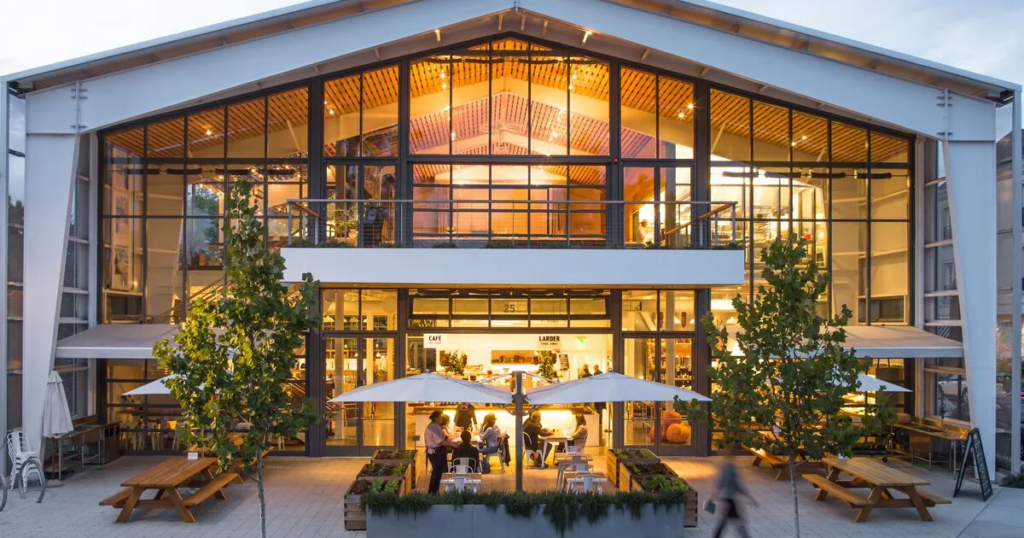
Grocery shopping patterns are becoming more fragmented and intentional as households adjust to sustained cost pressures. Rather than relying on a single large weekly trip, many low- and middle-income consumers are shifting toward more frequent visits, purchasing smaller quantities and focusing only on immediate needs. This “buy as you go” approach helps shoppers better manage cash flow, avoid waste, and stay flexible as prices fluctuate week to week.
At the same time, shoppers are increasingly distributing their spending across multiple retailers, choosing where to shop based on price, promotions, product availability, and specific trip missions. A single household may now visit a discount grocer for staples, a mass retailer for bulk items, and a specialty or local store for fill-in purchases. This behavior reflects a more strategic, value-maximizing mindset, where convenience is balanced against cost savings.
Sources:
- https://www.convenience.org/Media/Daily/2026/February/24/5-3-Factors-Driving-Grocery-Growth-2026_Research
- https://www.supermarketnews.com/grocery-operations/grocery-growth-in-2026-driven-by-lower-and-middle-income-shoppers-and-shorter-trips
Grocery Outlet Announces Closings
Store rationalization is becoming an increasingly visible lever for grocers navigating a more volatile and margin-constrained environment. Grocery Outlet’s announcement that it will close 36 locations underscores the operational pressures facing even value-oriented retailers. The move is part of a broader restructuring effort aimed at improving long-term profitability and sharpening its growth strategy, following a similar initiative the second quarter of fiscal 2025.
The geographic spread of these closures – across Pennsylvania, Maryland, California, Idaho, New Jersey, and Ohio – highlights that these challenges are not isolated to a single market but reflect broader structural shifts in consumer behavior and cost dynamics. As shoppers become more price-sensitive and selective in where they spend, retailers are being forced to reassess store performance, local demand patterns, and overall network efficiency.
This latest round of closures signals a more disciplined approach to growth, where optimizing existing assets is taking precedence over rapid expansion. For Grocery Outlet and its peers, the focus is increasingly on ensuring that each location can deliver sustainable returns in an environment defined by tighter consumer spending, rising operating costs, and intensifying competition.
Sources:
- Grocery Outlet closing stores: 36 locations on doomed list – Fast Company
- https://www.msn.com/en-us/money/companies/36-grocery-outlet-stores-closing-across-6-states-listing-shows/arAA1YpKTv?apiversion=v2&domshim=1&noservercache=1&noservertelemetry=1&batchservertelemetry=1&renderwebcomponents=1&wcseo=1

DoorDash Claims Top Spot in 3rd Party Grocery and Retail Delivery
DoorDash is rapidly solidifying its position as a dominant force in third-party grocery and retail delivery, expanding both its scale and strategic relevance within the industry. The company now partners with six of the ten largest food retailers featured on Progressive Grocer’s Top 100 list in North America – an indicator of how deeply embedded delivery platforms have become in traditional grocery ecosystems.
This momentum has carried into 2026, with DoorDash adding 33 new U.S. grocery partners in just the early part of the year. These additions include well-established regional players like Schnucks and Northeast Grocery, further strengthening DoorDash’s reach across both national and local markets. By onboarding a diverse mix of retailers, the platform is broadening its assortment, improving geographic coverage, and enhancing its value proposition for consumers seeking convenience and speed.
For grocers, these partnerships reflect a growing reliance on third-party platforms to meet evolving customer expectations around on-demand fulfillment – without the need for heavy in-house infrastructure investment. For DoorDash, the continued expansion reinforces its role not just as a delivery service, but as a critical intermediary in how consumers access groceries. As convenience becomes an increasingly important competitive differentiator, DoorDash’s growing network positions it at the center of this shift, reshaping how and where grocery transactions take place.
Sources:
- DoorDash Claims Top Spot in 3rd-Party Grocery and Retail Delivery | Progressive Grocer
- https://about.doordash.com/en-us/news/doordash-leads-in-third-party-marketplace-grocery-retail-order-volume
For more information, visit harmelin.com, or connect with us on LinkedIn or Facebook.