
As competition intensifies across the QSR landscape, brands are redefining value by turning beverages into destinations, capitalizing on evolving snacking habits, and discovering that sometimes the path to growth starts with doing less… but doing it better.

Value-focused promotions continue to dominate the QSR landscape, with major brands competing around similar price points and bundled meal offers. As consumers grow accustomed to seeing value deals across nearly every chain, restaurants are discovering affordability alone is no longer enough to create meaningful differentiation.
Value Means More Than Price
Value has become a massive battleground in the QSR landscape, with nearly every major chain competing through meal deals, bundles, and promotional pricing. What started as a way to attract budget-conscious consumers has quickly become standard practice across the category. Today, consumers can find a value meal deal almost anywhere, making affordability less of a differentiator than it was just a few years ago.
The strongest performing brands are pairing value offers with something more compelling — whether that’s a seamless app experience, cultural relevance, menu innovation, or consistent execution. These brands understand that a snazzy promotion might get someone in the door, but lasting growth comes from giving customers a reason to come back even after the deal is gone.
At Harmelin, we believe the conversation around value is shifting from price to perception. Consumers aren’t simply asking who has the cheapest meal, they’re asking which brand delivers the best overall experience for their money. As more QSRs compete with similar value offerings, the brands that combine affordability with convenience, consistency, and a strong brand identity will be best positioned to earn foot traffic and loyalty.
Sources:
- The QSR Value War is a Race to the Bottom. Here’s Who’s Winning and Who’s Bleeding
- The QSR Value War of 2026: What Operators Need to Win Guests Back
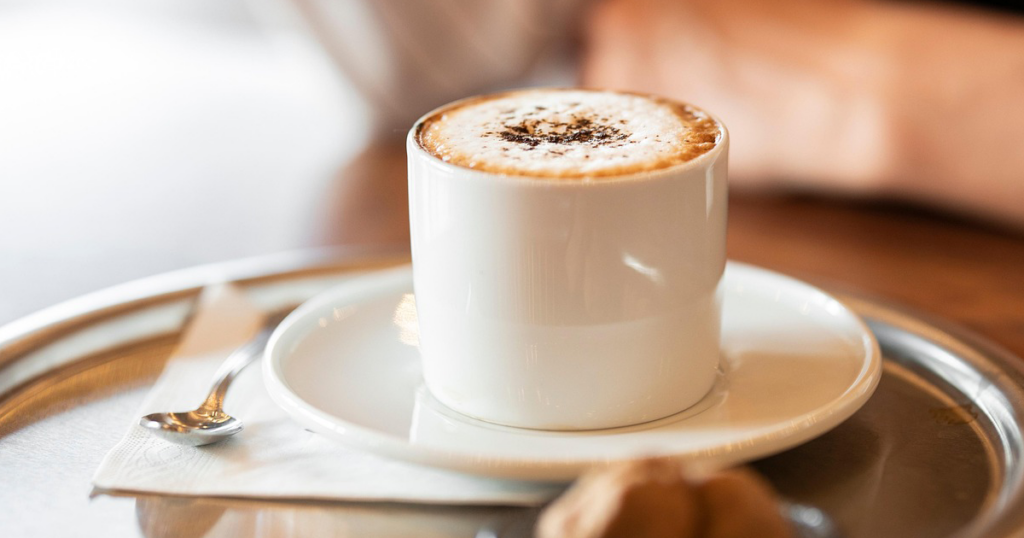
As traffic growth becomes harder to achieve, QSR brands are increasingly turning to beverage innovation as a method for driving incremental visits and boosting guest engagement. From specialty coffees and refreshers to customized sodas and energy-infused drinks, beverages are creating new occasions for consumers to visit throughout the day.
Beverages Create New Occasions
As traditional traffic drivers become less predictable, restaurant brands are looking for new ways to stay relevant between meal occasions. Beverages have emerged as a particularly attractive opportunity, giving operators a way to generate excitement, encourage repeat visits, and capture spending that might not otherwise result in a full meal purchase. What was once considered a supporting menu category is now becoming its very own growth strategy.
Part of the appeal is that beverages offer consumers an affordable way to treat themselves, even as discretionary spending remains under pressure. A specialty drink often feels like a small indulgence without the commitment of a full meal, making it easier for consumers to say yes. At the same time, customizable flavors, wellness-focused ingredients, and limited-time offerings are helping brands tap into trends resonating with younger consumers.
What’s particularly interesting from a marketing standpoint is how beverages are creating entirely new opportunities to connect with consumers. Instead of competing only for lunch and dinner, brands can now become part of a morning routine, afternoon pick-me-up, or social media-worthy moment. In a crowded QSR landscape, the brands that make beverages a destination — instead of just an “add-on” — will have more opportunities to drive frequency and remain top of mind.
Sources:
- What’s Driving the Beverage Boom, and How Restaurants Can Take Advantage
- The QSR Growth Playbook: Strategies to Win in 2026
- QSRs Pour Resources into Beverages to Stir Up Traffic and Margin
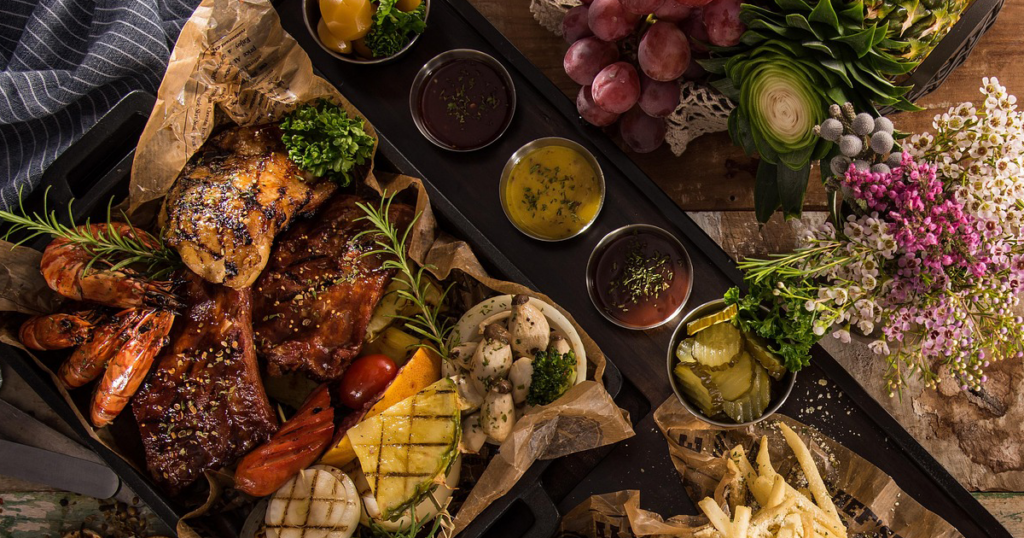
Traditional meal patterns continue to evolve as people increasingly opt for smaller, more flexible eating occasions throughout the day. As a result, QSR brands are finding new opportunities to drive traffic through snackable menu items, shareables, and products designed to fit between traditional mealtimes.
Snacking Shapes New Occasions
For years, QSR growth centered around winning breakfast, lunch, and dinner. Today, consumers are creating their own eating schedules and brands are adapting accordingly. Smaller meals, snackable items, and shareable offerings are becoming increasingly important as guests search for options to fit busy routines and changing appetites. Technomic predicts snacks and smaller portions will become more prevalent across foodservice menus as consumer dining behaviors continue to evolve.
This shift creates an opportunity for restaurants to think beyond traditional dayparts and find ways to engage consumers throughout the day. A mid-afternoon snack, post-work treat, or quick shareable item can generate incremental traffic without requiring a full meal purchase. When customers become more selective with discretionary spending, these lower-commitment occasions might feel easier to justify.
The new opportunity isn’t just selling smaller portions; it’s creating more reasons to visit. Brands can identify the moments between meals and reach buyers at times when competition may be lower and purchase decisions are more spontaneous. Snack-focused occasions also pair naturally with beverage innovation, allowing restaurants to build offerings encouraging additional visits throughout the day.
The bigger takeaway is restaurants no longer need to wait for consumers to be hungry for a full meal. As eating habits become more flexible, brands that successfully build products and marketing around these micro-occasions will have more opportunities to earn a greater share of consumer spending.
Sources:
- 2026 U.S. Foodservice Trend Predictions
- What U.S. Consumers Want from Restaurants in 2026
- QSR Industry Report 2026: Market Size, Segment Analysis, and Trends Reshaping Fast Food
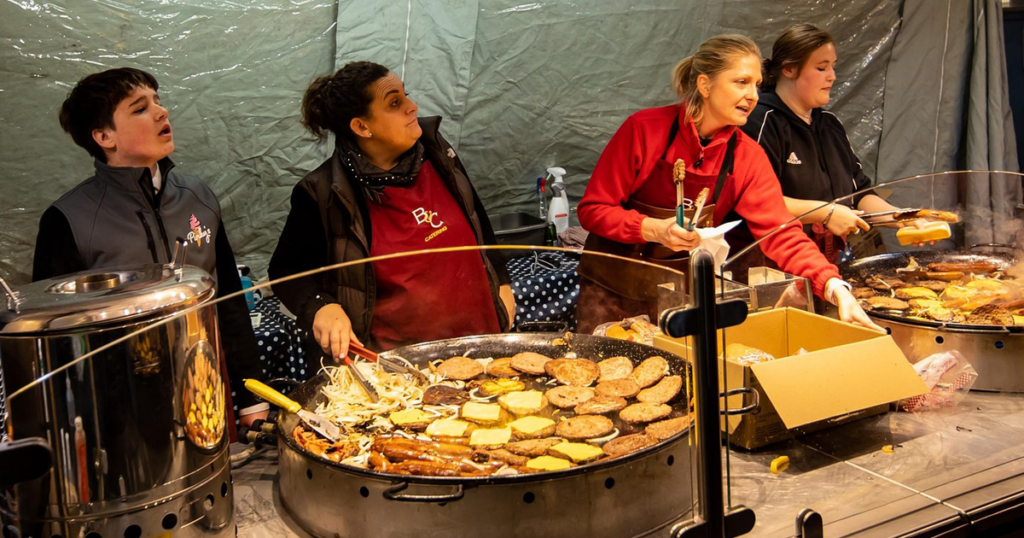
As restaurant operators face ongoing labor challenges, rising costs, and increasing operational complexity, many brands are finding growth through simplification. From streamlined menus to more efficient workflows, restaurants are focusing on doing fewer things better to improve execution, consistency, and the guest experience.
Less Can Deliver More
For years, growth often meant adding more — more menu items, more limited time offers, and more customization. Now, many restaurant brands are finding more isn’t always better. As operators look for ways to improve speed, consistency, and profitability, menu simplification is becoming a priority. In many cases, removing complexity is helping brands deliver a better experience while making operations easier to manage.
A simpler menu can create benefits far beyond the kitchen. Fewer ingredients, fewer processes, and fewer points of friction can help improve service times, reduce errors, and make training easier. It also allows teams to focus on executing the core menu exceptionally well rather than trying to be everything to everyone.
What’s especially interesting is that consumers often reward simplicity. When ordering is easy and the experience is consistently good, guests are more likely to return. While menu innovation will always have a place, many brands are realizing reliability and convenience can be just as powerful as the next limited time offer.
The real opportunity is finding the right balance between variety and execution. Brands that can simplify where it matters, while also doubling down on what they do best, may be better positioned to drive loyalty, improve operational efficiency, and stand out in an increasingly crowded QSR world.
Sources:
- QSR Menu Simplification: Why Chains Are Cutting Items
- Why Menu Simplification Remains an Underutilized Strategy
- QSR Success in 2026: Why the Next Competitive Advantage is Getting the Basics Right
For more information, visit harmelin.com, or connect with us on LinkedIn or Facebook.