
As we enter 2026, the grocery and retail alcohol landscape is evolving rapidly in response to shifting consumer priorities. Shoppers are balancing health and wellness goals, heightening price sensitivity, and a growing appetite for multicultural flavors, while retailers navigate localized merger and acquisition activity and the rise of no- and low-alcohol beverages. In this blog, we explore five key trends shaping the industry, highlighting what’s driving consumer behavior, how retailers are responding, and what’s likely to define success in the year ahead.
Health-First Resolutions Are Reshaping the Grocery Aisle in 2026
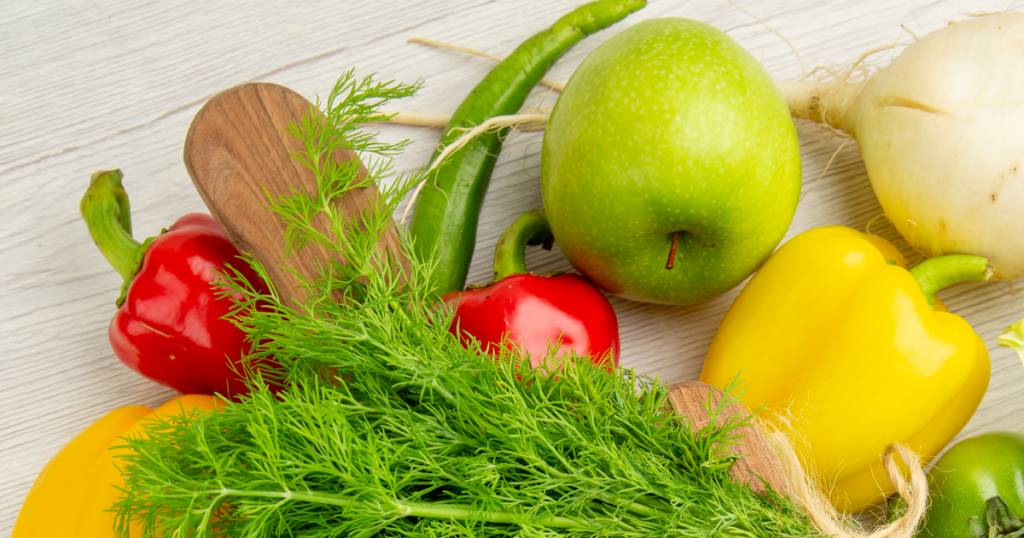
Consumers are recommitting to physical well-being and healthier lifestyles, with health and nutrition taking center stage in their 2026 New Year resolutions. Recent insights show shoppers emphasizing better eating habits, increased physical activity, and wellness-oriented purchases as priorities for the year ahead, reshaping what they seek in stores and online. Data from 84.51° found that 78% of consumers plan to eat more fruits and vegetables in the coming year, with 53% wanting to increase their intake of vitamins and supplements, 46% saying they will eat more fresh meat and seafood, and 45% eating more frozen meat and seafood. Conversely, 63% plan to purchase fewer meal kits, 49% said they will purchase fewer prepared deli items, and 49% will cut back on their soda intake.
Grocery retailers such as Harris Teeter are responding by spotlighting ways to help shoppers “be happier and healthier” through curated offerings and wellness messaging. Meanwhile, even as protein remains a core wellness focus in 2026, rising prices are challenging consumers and retailers alike to balance nutrition with affordability.
Sources:
- https://progressivegrocer.com/health-and-wellness-top-2026-new-years-resolutions
- https://progressivegrocer.com/how-be-happier-healthier-harris-teeter
- https://progressivegrocer.com/shoppers-still-hungry-protein-meat-prices-soar
Price Sensitivity Peaks as Grocery Shoppers Chase Value over Loyalty
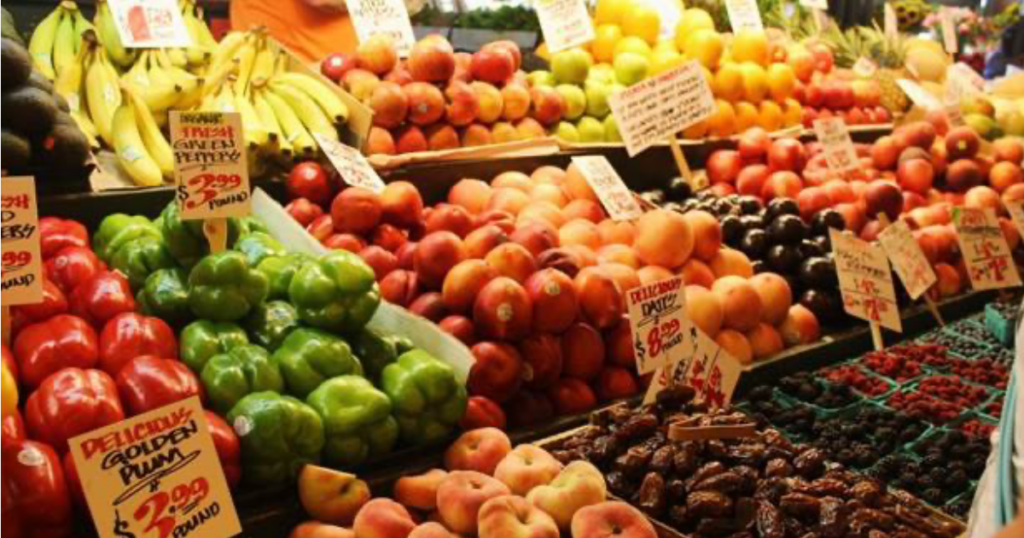
Economic volatility and tight household budgets continue to reshape grocery shopping behavior, making price sensitivity a defining force for consumers in 2026. While overall inflation held steady at 2.7% in December, grocery prices continue to be a persistent pressure point. According to the latest Consumer Price Index report released January 13, food at-home prices rose 0.7% month over month, outpacing recent increases in September (0.3%) and August (0.6%), and are up 2.4% over the past 12 months.
These sustained cost increases are straining households; a recent Swiftly survey found that 68% of shoppers say they are struggling to afford groceries. As a result, consumers are becoming increasingly deal-driven — splitting trips across multiple retailers, prioritizing promotions and private label, and showing declining brand loyalty. In response, grocers are redefining value beyond price alone through targeted savings programs, loyalty incentives, and accessibility initiatives. Kroger’s Verified Savings Program, which delivers produce discounts and reduced membership pricing for SNAP, WIC, and Medicaid recipients, underscores how retailers are evolving value-led strategies to protect trust, drive traffic, and meet shoppers where they are financially.
Sources:
- https://www.mckinsey.com/industries/consumer-packaged-goods/our-insights/the-state-of-the-us-consumer
- https://www.nytimes.com/2026/01/13/business/economy/inflation-cpi-report-food-prices.html
- https://www.swiftly.com/news/heres-how-many-shoppers-say-theyre-struggling-with-rising-grocery-costs
- https://www.upside.com/reports/the-consumer-spend-report-2025
- https://progressivegrocer.com/kroger-rolls-out-verified-savings-program-produce-discounts-snap-wic-shoppers
The Mainstreaming of Multicultural Grocery
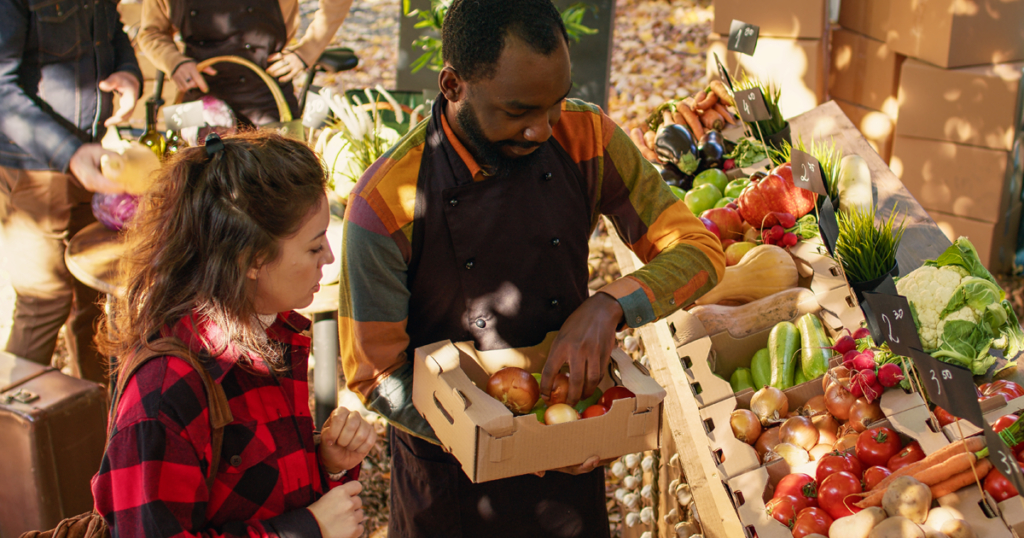
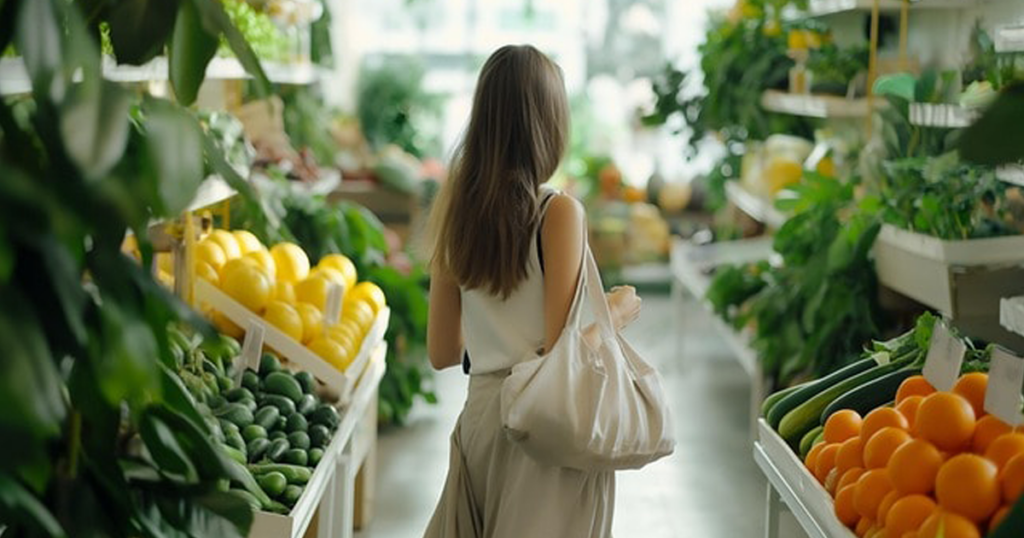
Multicultural grocery retail is positioned for continued growth as increasingly diverse consumer segments shape the U.S. grocery landscape. The same behaviors that fueled specialty grocers’ success in 2025, such as rising demand for bold global flavors and culturally authentic foods, are expected to accelerate the expansion of multicultural products and international grocery chains in 2026. Notably, this demand extends beyond ethnically diverse shoppers, as more consumers seek global cuisines and fresh, authentic offerings. In response, retailers are expanding assortments and entering new markets, signaling a shift from niche appeal to mainstream relevance. The significant and growing spending power of Hispanic consumers is further reinforcing multicultural food as a key driver of category growth and merchandising strategy.
Sources:
- https://www.grocerydive.com/news/8-top-trends-grocery-industry-2026/807564/
- https://nielseniq.com/global/en/insights/report/2025/hispanic-consumers-redefining-retail/
The Rise of Small-Scale and Regional M&A
After the collapse of the proposed Kroger-Albertsons mega-merger, further large national grocery combinations appear unlikely in 2026, but mergers and acquisitions are gaining momentum among smaller and regional grocery chains as retailers seek scale and stability in a competitive market. Industry experts note that regional grocers are under pressure from both discount and specialty players, making them attractive targets for consolidation to shore up market presence and profitability. This dynamic is evidenced by transactions such as the Schnuck family’s acquisition of Festival Foods and Hometown Grocers, which expands its footprint while maintaining distinct regional brands. Additionally, deals like C&S Wholesale Grocers’ purchase of SpartanNash and other regional store acquisitions signal a broader shift toward localized M&A activity rather than megadeals.
Sources:
- https://www.grocerydive.com/news/8-top-trends-grocery-industry-2026/807564/
- https://www.supermarketnews.com/mergers-acquisitions/report-c-s-wholesale-grocers-winn-dixie-group-close-to-acquiring-stores-from-aldi

Health-Driven Consumers and No/Lo Innovation Redefine Alcohol Demand
The U.S. alcohol market is undergoing a meaningful shift as consumption patterns evolve and consumer priorities change. According to a Fall 2025 Gallup poll, only 54% of American adults now report drinking alcohol, the lowest level since tracking began nearly 90 years ago. A vast majority view moderate drinking as harmful to health, reflecting growing health-focused attitudes that are impacting retail demand. At the same time, industry forecasts highlight the rise of no- and low-alcohol (No/Lo) beverages as a significant growth category, with non-alcoholic options on track to exceed $1 billion in sales. Ready-to-drink (RTD) cocktails and selective premium products are also reshaping the shelf, as brands emphasize quality, repeat purchase, and clear value in a softer overall market. These trends signal that retailers must balance traditional alcohol offerings with health-aligned alternatives and occasion-based innovation to stay relevant in 2026.
Sources:
- https://www.forbes.com/sites/joemicallef/2025/12/30/the-10-biggest-alcohol-trends-in-america-for-2026/
- https://news.gallup.com/poll/693362/drinking-rate-new-low-alcohol-concerns-surge.aspx
For more information, visit harmelin.com, or connect with us on LinkedIn or Facebook.