

Artificial Intelligence (AI) is transforming the travel and tourism industry, including marketing strategies, personalization, customer service, predictive analytics, and dynamic pricing.

AI is enabling hyper-personalized travel experiences by analyzing user preferences and behaviors to deliver tailored itineraries and recommendations.
Personalization at Scale
AI-driven personalization is redefining the traveler journey. Platforms such as Booking.com and Expedia leverage AI to interpret traveler intent and generate customized itineraries. According to PhocusWire, generative AI tools are increasingly integrated into trip-planning workflows, providing real-time recommendations and automated itinerary summaries. While enhanced personalization improves customer satisfaction, it also introduces privacy considerations that require transparent data practices. Looking ahead, the travel industry will likely see deeper integration of autonomous AI agents capable of managing bookings and itineraries end-to-end, creating seamless travel experiences worldwide.
Source: https://www.phocuswire.com/next-generation-travel-tech-ai-reshaping-future-travel
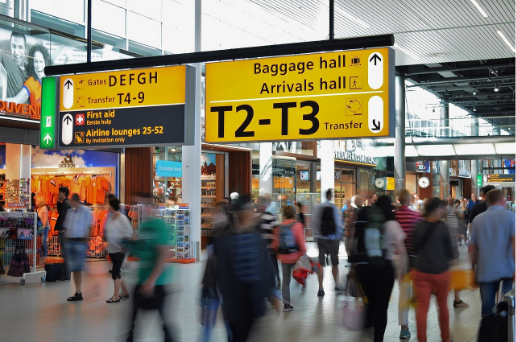
AI-powered chatbots are revolutionizing customer service in travel, offering 24/7 support and multilingual capabilities.
Conversational AI Takes Off
AI chatbots and virtual assistants have become essential tools across the travel sector. They manage booking inquiries, handle cancellations, and provide real-time updates, helping organizations reduce operational costs while improving customer satisfaction. Forbes highlights how natural language processing-driven bots are increasingly replacing traditional apps, offering more intuitive and frictionless user interactions. These solutions also enhance personalization by learning from previous interactions. As adoption expands, organizations must address privacy concerns and potential overreliance on automated systems to ensure sustainable and responsible implementation.

Predictive analytics powered by AI is enabling tourism businesses to forecast demand, optimize pricing, and personalize marketing campaigns.
Forecasting the Future
AI-driven predictive analytics is transforming tourism marketing by leveraging historical and real-time data to anticipate traveler behavior. Research published in the Electronics journal underscores its growing importance in smart tourism destinations, where predictive tools help businesses minimize forecasting errors and allocate resources more effectively. These models enable dynamic marketing strategies, ensuring timely engagement with travelers. As competition intensifies, predictive analytics will become a cornerstone for revenue optimization and customer experience enhancement.
Source: https://www.mdpi.com/2079-9292/13/21/4151

AI-powered dynamic pricing algorithms are enabling travel companies to maximize revenue by adjusting prices in real time.
Smarter Pricing Strategies
Dynamic pricing has evolved beyond traditional seasonal adjustments to AI-driven systems that analyze thousands of data points, such as demand trends, competitor rates, and local events. According to TravelAI, these algorithms support real-time price optimization, enhancing profitability and competitiveness. AI-powered pricing engines not only automate rate adjustments but also forecast optimal prices for different customer segments. This capability is especially critical in today’s volatile market, where consumer expectations and competitive pressures shift rapidly.
Source: https://www.travelai.com/resources/dynamic-pricing-travel-profitability/
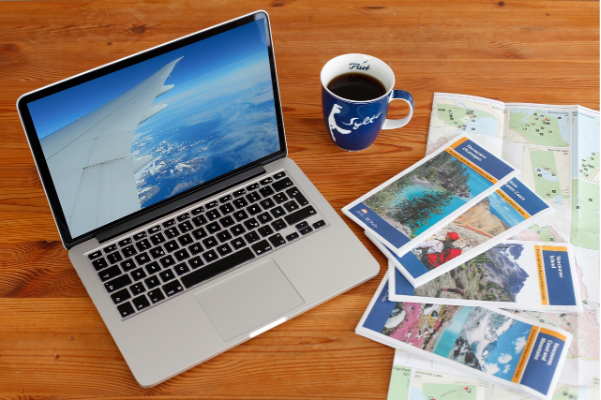
Generative AI tools are increasingly being used to help travelers discover new destinations and experiences. AI-generated trip concepts and AI-powered image search tools are influencing travel decisions more than ever before.
AI Travel Planning
Images and videos have become the primary gateway for travel inspiration. With tools such as Google Lens and Circle to Search, users can now explore what they see simply by uploading or highlighting an image, rather than searching manually. Approximately 75% of travelers begin their journey on social media, making visual content on these platforms critical to destination decision-making.
Videreo collaborates with content creators to curate extensive catalogs of travel videos, which AI then organizes and connects to relevant themes, locations, and experiences. Similarly, Landfolk has developed an AI-powered visual search engine called Daisy, which allows users to search for destinations based on specific moods, aesthetics, or feelings, rather than traditional filters.
AI is enhancing the travel-planning process by providing curated, highly personalized recommendations. As adoption grows, with 30% of travelers now using AI tools to plan their trips, the social media visibility of destinations and experiences has become increasingly important. Strong visual presence is essential not only for exposure to generative AI systems but also for influencing traveler behavior more broadly.
Source: https://www.bbc.com/travel/article/20250926-the-perils-of-letting-ai-plan-your-next-trip
For more information, visit harmelin.com, or connect with us on LinkedIn or Facebook.