
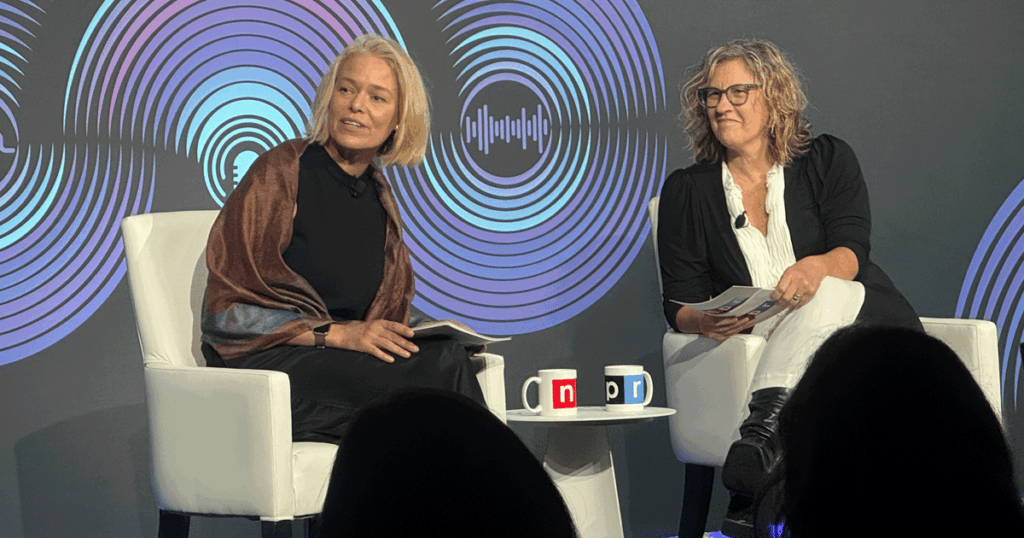
A few weeks ago, at the IAB Podcast Upfront in New York City, creators, hosts, podcast vendors, media buyers, and planners came together for a full day of panels and discussions about where the industry is headed. From audience fragmentation and measurement to the growing importance of host relationships, the conversations covered what’s changing in podcasting and what isn’t. One theme came through clearly: as the podcast landscape continues to grow and evolve, the connection between listeners and the voices they choose to spend time with remains at the heart of what makes the medium so powerful.
Podcasting Is a Relationship Medium
Unlike many forms of media, podcasting is personal. Listeners choose the shows and hosts they want to spend time with, often developing a sense of familiarity and trust over weeks, months, and even years. That relationship is one of podcasting’s greatest strengths — and one of its biggest opportunities for advertisers.
At the same time, the podcast landscape is becoming increasingly fragmented. Listening time isn’t necessarily declining; it’s being spread across more shows, platforms, genres, and formats. As more choices emerge, advertisers need new ways to find the right audiences efficiently while preserving the authenticity that makes podcasting unique.
Video Is Changing the Podcast Experience
Video is adding another layer to the podcasting landscape, particularly as younger audiences increasingly discover and consume podcasts visually. Research from Cumulus Media and Signal Hill Insights found that 49% of podcast consumers used video in 2026, up from 30% four years earlier. Among Gen Z, 37% consume podcasts via video more often than audio.
But the shift to video also creates new challenges for advertisers, particularly around measurement. Traditional download metrics don’t capture the full picture when audiences are consuming content across audio, video, devices, and platforms. With YouTube, Spotify, and Apple Podcasts using different measurement methodologies, comparing performance across platforms can be difficult. The industry is beginning to address this challenge, with the IAB introducing its Podcast Continue to Evolve framework to establish greater consistency around measurement and disclosure for multiplatform and time-shifted podcast consumption.
From Finding the Audience to Building the Connection
The growth of podcast advertising reflects the medium’s increasing appeal. Approximately 1,300 brands entered podcasting in the last year, bringing more advertisers into an already diverse marketplace.
Programmatic and host-read advertising can each play an important role in navigating that marketplace. Programmatic buying offers scale and targeting, allowing advertisers to identify audience segments, test campaigns, and learn which listeners are most responsive.
Host-read advertising takes a different approach. By leveraging the relationship between the host and audience, a well-executed host-read ad can feel like part of the show rather than an interruption. The host can connect the product naturally to the subject matter and speak in a way that feels authentic to the program.
Together, these approaches can create a sequential strategy: use programmatic to discover and qualify an audience, then use host-read advertising to deepen the connection.
Measurement Still Matters
As podcasting matures, measurement remains a key challenge. According to Podscribe’s State of Audio Measurement, 55% of respondents cited difficulty measuring return on advertising investment as preventing greater investment in digital audio.
Advertisers want to know more than how many impressions a campaign delivered; they need to understand whether they reached the right people and drove meaningful results. Better measurement will be increasingly important as brands compare audio investment with other media channels.
Why Podcast Communities Matter
Sports podcasting provides a great example of the value of community. Fans follow multiple teams, leagues, schedules, and conversations, creating a fragmented media environment. Podcasts can help bring those interests together by giving fans a consistent place to find relevant content, commentary, and conversation.
More broadly, podcasting gives advertisers access to highly engaged communities built around specific interests, personalities, and topics. The value isn’t just in reaching a large audience, but in reaching people who have actively chosen to spend time with particular content and the voices behind it. That sense of connection can make podcast advertising feel more relevant, personal, and credible.
For more information, visit harmelin.com, or connect with us on LinkedIn or Facebook.