
Key CPG Retail Media Trends for Q4 2026
Consumer packaged goods (CPG) brands have more ways to invest this quarter, making it essential to prioritize the retail partners, discovery channels, in-store placements, and holiday moments most likely to drive measurable growth.
- Larger networks sharpen the need for selective investment from brands.
- Retailer data connects product discovery with purchase more easily.
- In-store media needs stronger evidence of sales impact.
- Holiday value and early preparation extend beyond Black Friday.

Be Choosy About Retail Partners
Retail media growth is concentrating among larger networks.
EMARKETER’s latest forecast describes Amazon’s continued dominance and a stronger second tier of retailers — namely Walmart, Target, Instacart, and eBay — pulling ahead of smaller networks in total volume. Separately, Walmart’s June announcement outlines plans to align advertising capabilities across its businesses, including brick and mortar measurement. For CPG brands managing separate platforms and reports, simpler cross-channel buying and measurement would be a welcome development. Other retail networks are likely to expand their in-store measurement capabilities over the next few years, seeking to fill crucial gaps in brick & mortar analysis.
Imagine you’re a regional food brand offering placements across six retail networks. You could stretch your budget across all six next year. The question is whether you would learn enough, or sell enough, to justify the effort. A smart retail strategy starts where distribution, stocked shelves, and customer demand give the campaign a fighting chance.
National brands have more room to experiment, but they should still assess how many incremental households each network reaches and at what relative cost. Looking toward 2027, we expect retail partners that can demonstrate incremental sales to earn more investment. Additional platforms and dashboards will need to provide clear, compelling value for marketers.
Reach Shoppers Before They Start Searching
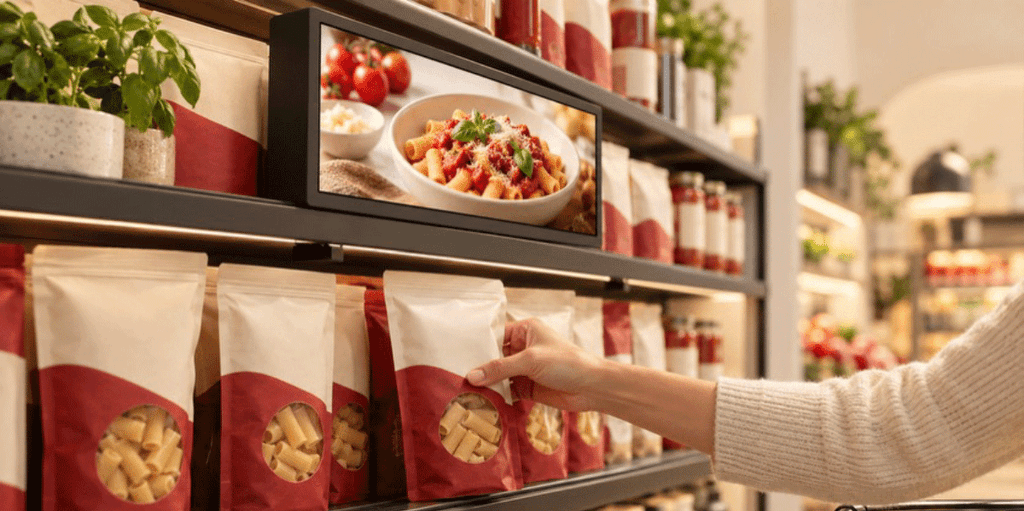
Retailer audiences now help brands reach shoppers well before they type a product into a search bar.
Walmart Connect activates shopper data across connected television (CTV), social platforms, and the open web. For CPG brands, this creates opportunities to introduce products while people are watching or browsing and then connect that interest with a purchase opportunity. Stronger data can support more precise audience targeting across the customer journey.
Take a new snack brand. A short video shows a parent dropping it into a lunchbox. Later, sponsored search helps that shopper find the product. The product page should answer the questions the video raised: What’s in it? How big is the pack? Can I get it this week? Nobody wants to pay to advertise an empty shelf.
For 2027, we recommend evaluating discovery campaigns based on incremental reach, new customer growth, and sales. Smaller brands can begin by testing one product with one audience. National advertisers should coordinate audience exposure and measurement across campaigns, so they do not overstate the number of incrementally reached households.
Make Store Media Earn Its Budget
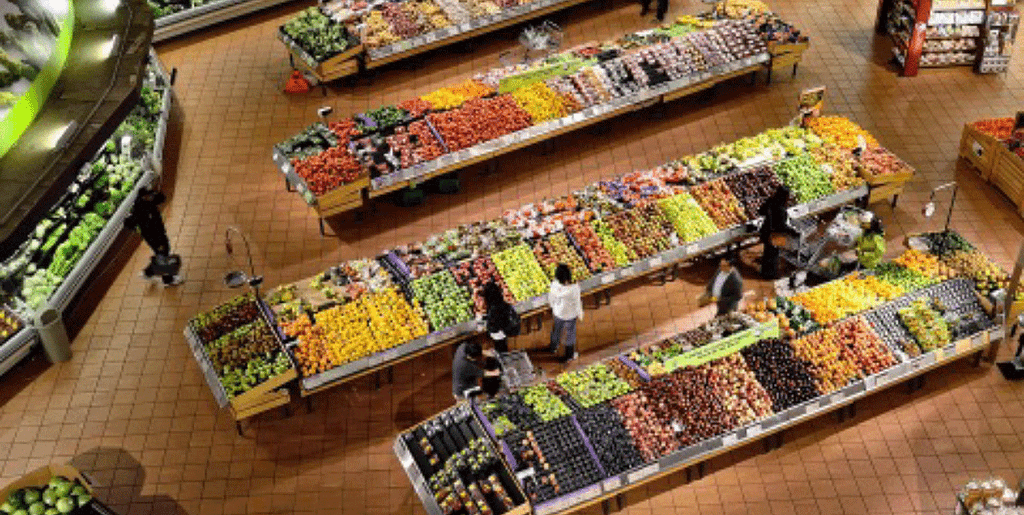
A screen near the shelf can reach a shopper at a useful moment, but its value still needs to be proven.
EMARKETER forecasts that in-store advertising on physical screens will represent less than 5% of non-Amazon retail media spending in 2027. Fragmented inventory and inconsistent measurement make it difficult to secure larger commitments because brands need credible evidence that these investments drive incremental sales (trickier than it sounds!).
Walmart reports that initial deli and bakery screen tests produced sales lifts of up to 5% for food suppliers. The results are encouraging: a timely reminder about dinner recipes could influence someone already standing near the ingredients. The practical question is whether the campaign drives enough incremental purchases to cover its cost.
When testing in-store media, we recommend testing stocked products in selected stores against comparable locations without the campaign. Consider testing whether a price promotion or wider distribution explains the improvement. Regional brands can start in their strongest markets. National advertisers should establish consistent sales lift reporting before scaling, giving their 2027 plans evidence beyond a promising screen location.
Plan Beyond Black Friday Discounts
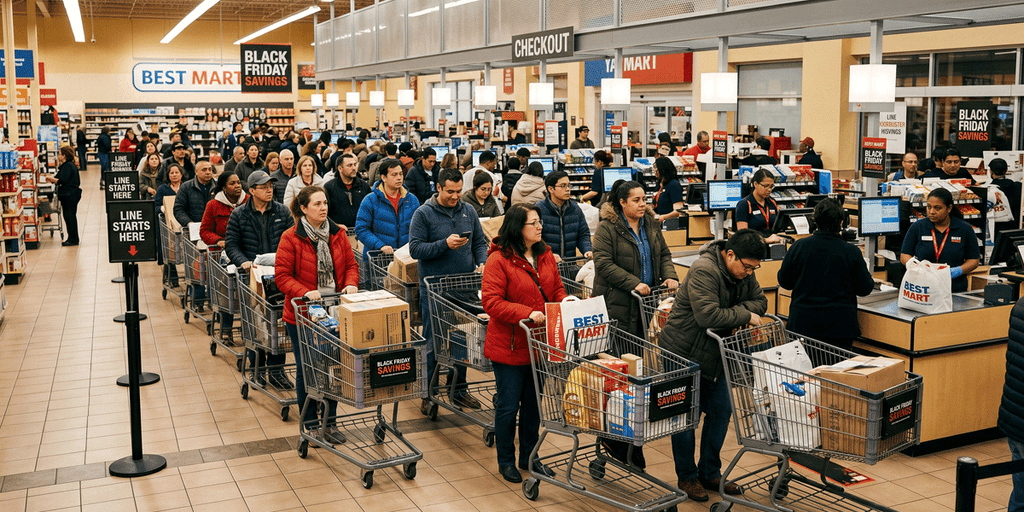
Holiday shoppers want a good deal, and CPG brands need a plan that lasts through December.
PwC’s 2026 Holiday Outlook finds that 79% of consumers say deals influence when they shop. Expected gift spending averages $708, down 2% year over year. Brands should make value easy to understand through a useful bundle, a clear price per serving, or a giftable pack. They should also evaluate margins after media and retailer fees before finalizing sales forecasts. Smaller brands can concentrate their strongest offer on one hero product, keeping the promotion easy to explain.
Use October to build consideration and test creative ahead of Black Friday and Cyber Monday (BFCM). EMARKETER’s holiday analysis highlights the research shoppers conduct before checkout. Confirm inventory and promotional offers early so strong campaign performance does not create fulfillment or restocking challenges.
Keep money available for December hosting, replenishment, and last-minute gifts. InMarket’s analysis of the 2025 season identifies a pre-Christmas store traffic surge. The holiday table still needs filling long after Cyber Monday has passed.
For 2027, we favor category-specific spending plans that adjust as demand develops.
For more information, visit harmelin.com, or connect with us on LinkedIn or Facebook.