
QSRs are evolving how they attract and serve consumers through beverage innovation, AI-powered ordering and seamless mobile experiences, while convenience stores are emerging as growing competitors in the QSR space.
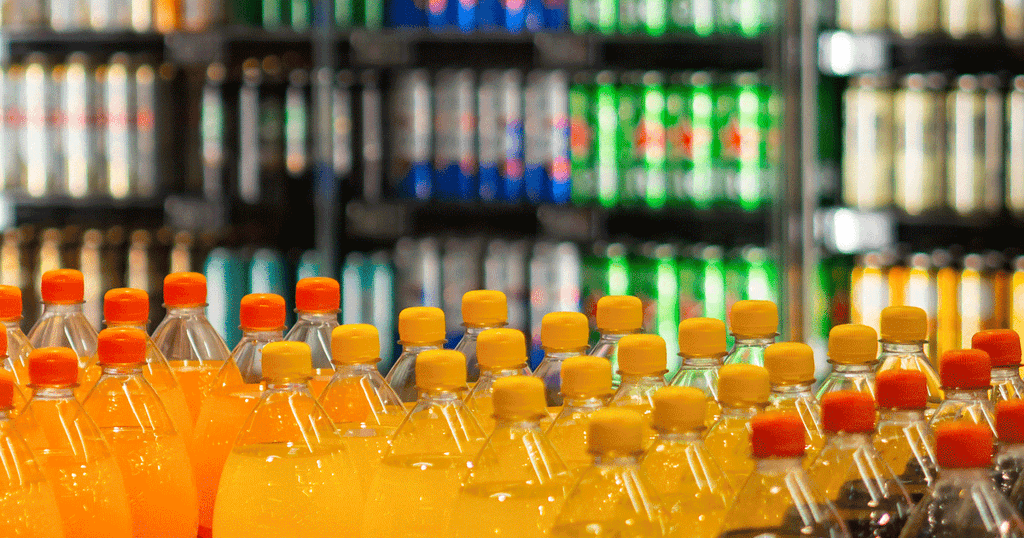
Beverages are evolving from supplemental menu items to primary traffic drivers for QSR locations. Brands are investing in refreshers, energy drinks, crafted sodas, and seasonal flavors, driving consumers to make purchases beyond traditional mealtimes. This trend is giving QSRs a way to generate excitement, particularly among younger and budget-conscious consumers.
QSR’s Bet Big on Beverages
Beverages are becoming a major growth opportunity for QSRs, with major players like McDonald’s, Taco Bell, Sonic, and others expanding into refreshers, energy drinks, crafted sodas, and customizable offerings. These products are increasingly positioned as standalone events rather than meal add-ons, helping brands create new occasions and drive incremental traffic throughout the day. According to the National Restaurant Association’s latest data, beverages are one of the industry’s most dynamic areas for innovation.
The trend also creates new opportunities for media. Beverage launches can support daypart-specific messaging and targeting, particularly around afternoon occasions when consumers may be looking for an energy boost, affordable indulgence, or just a mid-day treat. Seasonal flavors and limited-time items also give brands frequent opportunities to refresh creative and generate urgency.
From a social perspective, colorful, customizable, and unique beverages are well suited to short-form video, creator partnerships, and user-generated content. QSRs can treat new beverages more like exclusive product drops, using paid social and creators to quickly build awareness and encourage trial.
From a media perspective, beverage innovation is becoming as much a promotion and content strategy as a menu strategy. Brands that pair frequent launches with social listening, agile paid media, and creator amplification can turn beverage trends into culturally relevant moments and give consumers more reasons to engage with and visit the brand outside of traditional mealtimes.
Source: https://www.qsrweb.com/articles/qsrs-bet-big-on-beverages/
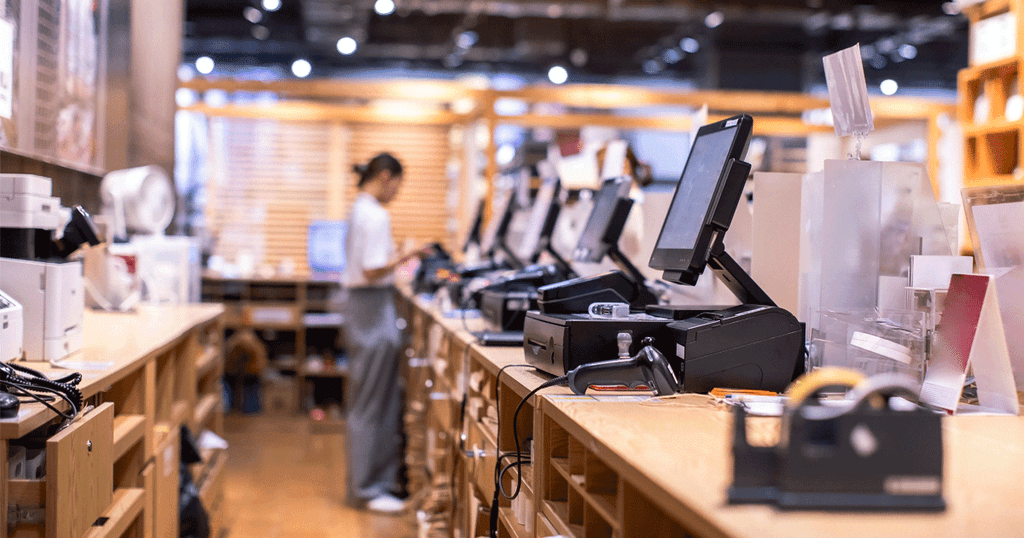
Presto, an automation technology provider, has integrated its Voice AI technology with Toast, a point-of-sale (POS) platform. This is meant to enable QSRs using Toast’s POS platform to automate drive-thru ordering and send AI-captured orders directly to the kitchen. The partnership reflects the broader shift toward AI-powered restaurant operations and increasingly connected customer experiences.
AI Moves Deeper into the QSR Experience
Presto’s integration with Toast makes Voice AI more accessible to mid-market and multi-location QSR brands, allowing automated drive-thru orders to flow directly into existing POS and kitchen systems. The technology is designed to improve speed and accuracy while creating more consistent opportunities for upselling.
This move will create opportunities to better connect advertising with the point of purchase. As restaurant technology becomes more integrated with ordering systems, brands will have the opportunity to use insights around promotions, demand, and customer behavior to inform messaging across paid media and owned channels, creating a more cohesive journey from ad exposure to ordering.
Harmelin’s POV is that AI’s impact on QSR will extend well beyond potential operational efficiency. As ordering technology becomes more established, media strategy may increasingly work alongside commerce and restaurant technology, giving brands opportunities to align promotions, messaging, and upsell strategies across the entire customer journey.

New Ipsos research finds that mobile ordering is now mainstream in QSR, with 74% of customers having used a restaurant app to order ahead. However, consumers value simplicity, deals, and customization alongside reliable fulfillment, showing that digital convenience must be matched by a strong real-world experience.
QSR Mobile Experiences Must Deliver Beyond the Screen
Mobile ordering has become a key part of the QSR journey, but consumers are not necessarily looking for more technology or complexity. Ipsos found that order accuracy, food quality, and correct temperature are the most important aspects of the experience, with exclusive deals, customization, and time savings also ranking highly.
For media, this reinforces the importance of value and convenience messaging in driving app adoption and repeat usage. Exclusive offers and app-based promotions can give consumers a clear reason to move from ad exposure to mobile ordering, while first-party app engagement provides brands with opportunities to build stronger loyalty and more personalized communications.
However, it’s important to note that mobile and in-store experiences can no longer operate independently. Paid media can successfully drive an app download or order placement, but operational issues at pickup can undermine that investment. Brands that align advertising with a seamless digital and physical experience will be positioned to turn media-driven acquisition into long-term loyalty.
Harmelin’s take is that QSR media should increasingly be planned around the full customer journey, not just awareness or conversion. As apps become a primary entry point to the brand, media can help communicate value and convenience, while strong fulfillment gives consumers a reason to return, making customer experience an important component of measuring a brand’s media effectiveness.
Source: https://www.ipsos.com/en-us/winning-qsr-mobile-experiences-combine-digital-convenience-operational
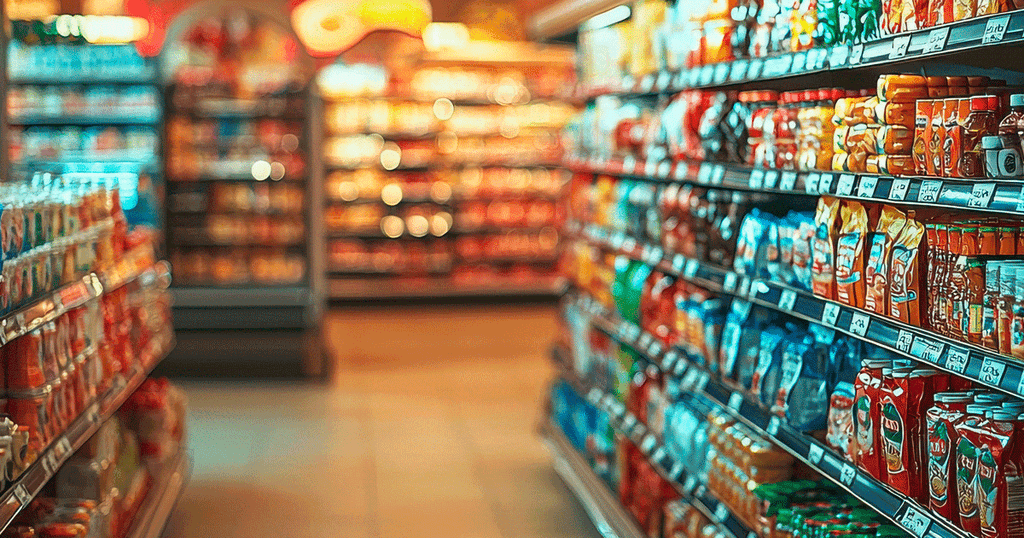
Convenience stores are emerging as a significant competitor to QSRs as they invest more heavily in foodservice, technology, and restaurant-like experiences. With 68% of consumers believing C-stores can offer fresh, quality food and beverages that are comparable to restaurants, QSRs may need to differentiate through hospitality, brand experience, and cultural relevance.
QSRs Face Growing Competition Beyond Restaurants
Convenience stores are increasingly competing for the same traffic as QSRs, with 95% of C-store operators identifying foodservice as a strategic priority. As C-stores adopt kiosks, self-service, and more restaurant-like environments, traditional QSR advantages around speed, convenience, and accessibility are becoming less distinctive.
According to executives at Technomic, a foodservice insights leader, the opportunity for QSRs may lie in balancing technology with hospitality. Despite growing automation, 60% of consumers prefer ordering from restaurant staff over self-service kiosks, and satisfaction and loyalty are higher for staff interactions than kiosk or third-party ordering. This suggests technology works best when it removes friction without losing the human elements of the experience.
Differentiation and cultural relevance are becoming increasingly important as this competitive set expands. Restaurants that scored above average for brand identity, innovation, and cultural relevance grew 8.2% in 2025, compared with a 3.4% decline among below-average performers, highlighting the potential value of building a distinctive brand beyond simply promoting convenience.
Harmelin’s position is that QSR media needs to focus on building a brand and compete for the occasion, and not just against other restaurants. As consumers have more choices for a quick meal, snack, or beverage, media can help give consumers a clear reason to choose a QSR through unique brand storytelling, relevant products, and messaging tailored to different dining occasions.
Source: https://www.restaurantbusinessonline.com/technology/qsrs-biggest-competition-c-store
For more information, visit harmelin.com, or connect with us on LinkedIn or Facebook.