In an ever-changing grocery sector, one of the industry’s giants has a proposed $1.65 billion acquisition in their sights, as financially stretched consumers reshape shopping habits, and retailers increasingly look to in-store digital advertising as a new avenue for driving engagement and revenue.
Kroger Expands Midwest Footprint with $1.65B Giant Eagle Acquisition
Kroger has entered into a definitive agreement to acquire regional grocery and pharmacy retailer Giant Eagle for $1.65 billion. The transaction would expand Kroger’s footprint by adding Giant Eagle’s network of 197 supermarkets and 11 standalone pharmacies across Ohio, Pennsylvania, West Virginia, Maryland, and Indiana, further strengthening the company’s presence throughout the Midwest and Mid-Atlantic regions. Kroger CEO Greg Foran described Giant Eagle as a strong strategic fit, citing its established reputation for fresh foods, pharmacy services, private-label offerings, and customer loyalty.
The acquisition marks Kroger’s first major transaction since its unsuccessful merger attempt with Albertsons in 2024. To secure regulatory approval, the companies anticipate divesting a limited number of Giant Eagle stores, with the transaction expected to close in 2027. Giant Eagle CEO Bill Artman said the combination would enhance value for customers, improve service offerings, and create new growth opportunities for employees while building on the strengths of both organizations.
From a financial perspective, Kroger expects the acquisition to support long-term growth while maintaining its targeted leverage ratio, continuing its dividend policy, and preserving its $2 billion share repurchase program. The company projects the deal will be accretive to adjusted earnings per share by the second full year following closing, excluding one-time transaction and integration costs. Overall, the acquisition reflects Kroger’s strategy of pursuing targeted regional expansion to strengthen its competitive position while avoiding the heightened regulatory challenges associated with larger-scale mergers.
Source: https://progressivegrocer.com/kroger-acquire-giant-eagle-165b
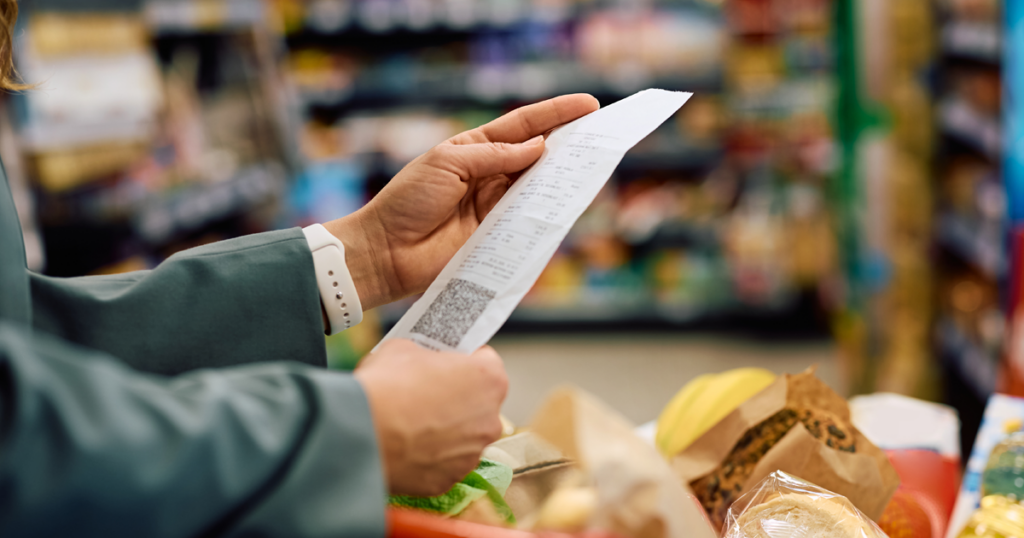
Financially Stretched Consumers Reshape the Grocery Market
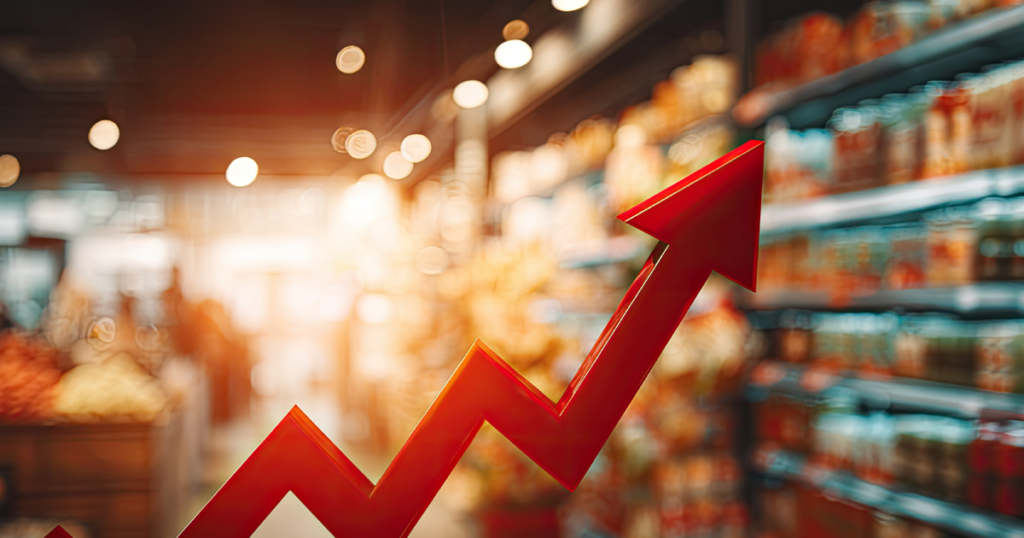
A new analysis from NielsenIQ indicates that the U.S. grocery market has entered a more challenging phase, with unit sales declining as financially stretched consumers purchase fewer items thanks to continued food price inflation. Grocery unit sales fell 1.8% year over year in June, marking the steepest decline in more than a year, while grocery prices continued to increase by approximately 2% to 3% annually. The slowdown, which first emerged in mid-2025, has accelerated in recent months and is now evident across all U.S. regions.
The report attributes the decline to mounting financial pressure on consumers rather than a single economic event. Persistent inflation has pushed grocery prices roughly 33% higher since 2019, while reduced participation in the Supplemental Nutrition Assistance Program (SNAP), higher gasoline prices, and slower disposable income growth have further strained household budgets. As a result, 80% of consumers report actively trying to reduce overall spending, with more than one-quarter specifically cutting back on grocery purchases.
For grocery retailers, the findings highlight the importance of reinforcing value propositions through competitive pricing, promotions, private-label offerings, and targeted customer engagement. As shoppers increasingly trade down, buy fewer items, and become more selective in their purchases, retailers that effectively balance affordability with differentiated value are expected to be better positioned to navigate the current demand environment and maintain market share. This shift reflects the emergence of a more value-driven consumer, with shoppers becoming increasingly intentional about where, how, and why they spend.
Source: https://www.supermarketnews.com/grocery-trends-data/grocery-unit-sales-reach-a-low-point-report
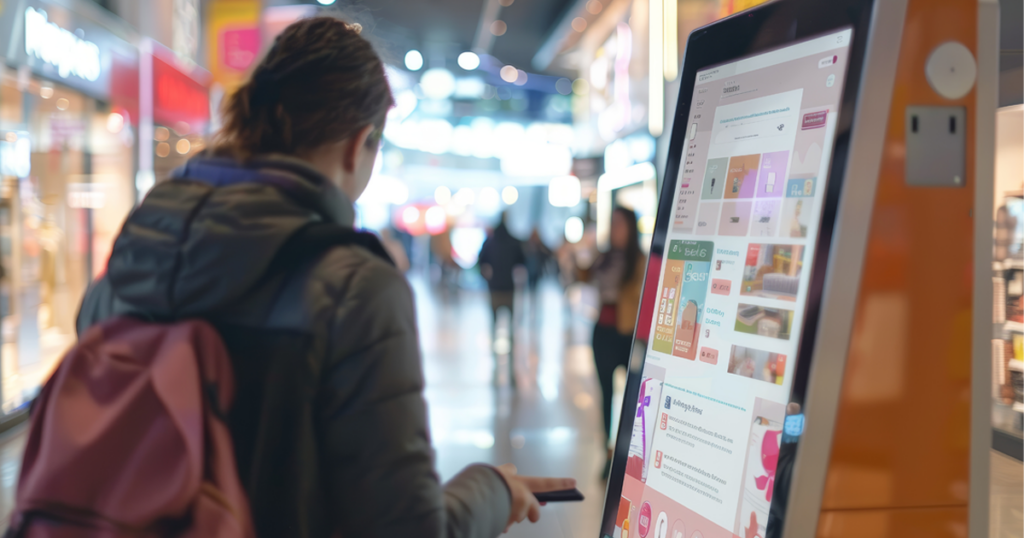
Shoppers Are Becoming More Open to In-Store Digital Advertising
A new study from retail media analyst Andrew Lipsman indicates that grocery shoppers are becoming increasingly receptive to in-store digital advertising, reflecting the growing role of retail media in the shopping experience. Surveying more than 1,000 U.S. grocery shoppers, the 2026 In-Store Shopper Perception Report found that 62% of consumers have purchased a product immediately after seeing it advertised on an in-store digital screen. Acceptance of digital displays has increased across every major area of the store since 2023, with front-end screen acceptance rising by 23 percentage points.
The research also found that the majority of purchase decisions continue to be made in-store, with 95% of shoppers reporting that they make at least half of their buying decisions while shopping. Consumer sentiment toward digital displays was strongest at store entrances, checkout lanes, deli counters, and pharmacies, where at least 84% of shoppers viewed the screens favorably. Additionally, shoppers were 2.5x more likely to consider a brand when advertisements were contextually relevant to nearby products, while 86% said endcap advertisements enhanced their shopping experience when they aligned with the surrounding merchandise.
The findings underscore the growing importance of retail media networks as grocers seek new revenue opportunities and more effective ways to influence purchasing behavior at the point of sale. According to the report, shopper acceptance of in-store digital advertising is relatively consistent across generations, with Millennials showing the highest receptivity, followed closely by Generation X, Generation Z, and Baby Boomers. As retailers continue expanding digital screen networks, the study suggests that strategically placed, contextually relevant advertising can improve shopper engagement while providing brands with a highly effective channel to drive product discovery and sales.
For more information, visit harmelin.com, or connect with us on LinkedIn or Facebook.