
As competition for consumers’ next meal intensifies, QSR brands are navigating a rapidly evolving landscape shaped by shifting consumer behavior, new competitors, and changing market dynamics. In this month’s QSR Trends, we explore four developments every restaurant marketer should be watching, from declining industry traffic and the growing influence of grocery prepared foods to regional brands expanding nationally and the creative ways restaurants leveraged America’s 250th Anniversary. Together, these trends highlight why winning today requires more than great food. The brands that succeed are those that give consumers a compelling reason to choose them for every meal occasion.
Traffic Declines Raise the Stakes for Every Visit
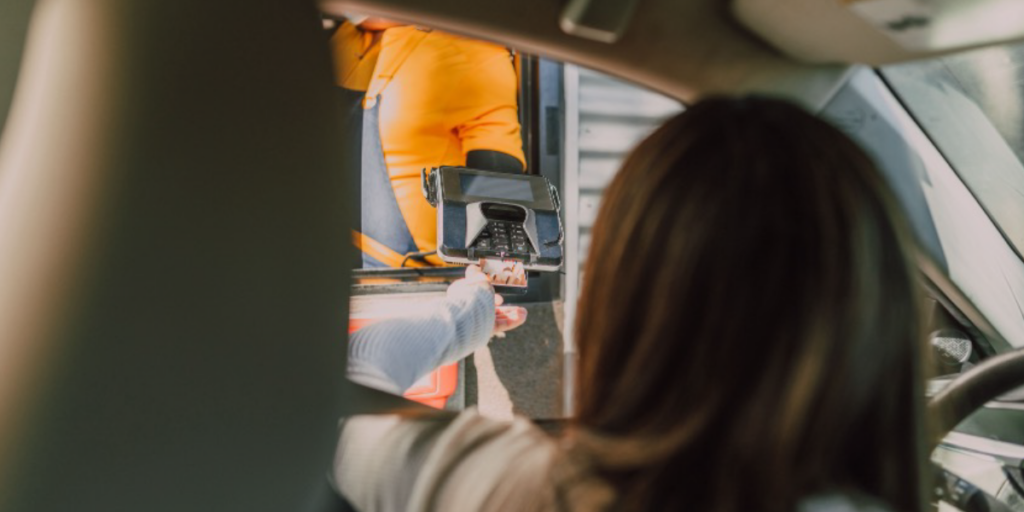
Quick-service restaurants entered the summer months facing a difficult reality: traffic continues to soften. According to Placer.ai, QSR visits declined approximately 4% year-over-year in May, while full-service restaurants and many fast casual brands proved more resilient. Rising menu prices, persistent economic pressure, and changing consumer expectations continue to reshape where Americans choose to spend their dining dollars.
Consumers are becoming far more selective about which occasions justify a restaurant visit. For years, QSRs largely competed against one another for share. Today, consumers are evaluating a much broader set of alternatives, from grocery prepared foods and convenience stores to eating at home. As discretionary spending tightens, winning a meal occasion increasingly depends on delivering a compelling combination of value, convenience, quality, and relevance — not just the lowest price.
For marketers, this reinforces an important shift in strategy. Efficiency remains critical, but broad reach alone is no longer enough. Brands must ensure they are reaching consumers during high-intent decision moments with messaging that clearly communicates why they deserve today’s visit. That means aligning creative with the specific occasion, whether it’s breakfast, lunch, family dinner, or an afternoon snack, and using first-party data, geographic targeting, and sequential messaging to maximize relevance.
Notably, industry-wide declines do not mean every brand is losing. Several restaurant brands including Taco Bell, Burger King, and McDonald’s have demonstrated that strong value platforms, differentiated products, digital engagement, and consistent brand investment can continue to drive growth even in a challenging environment. Meanwhile, fast-casual leaders such as CAVA continue to attract consumers by leaning into product quality and brand differentiation rather than competing solely on price.
Sources:
- Restaurant Dive: QSR traffic falls 4% in May
- Placer.ai: May 2026 Dining Index
- Placer.ai: Restaurants at an Inflection Point
- Placer.ai: The 2026 Fight for Value, Precision and the Middle-Income Consumer
The Grocery Store Is Winning More Meal Occasions
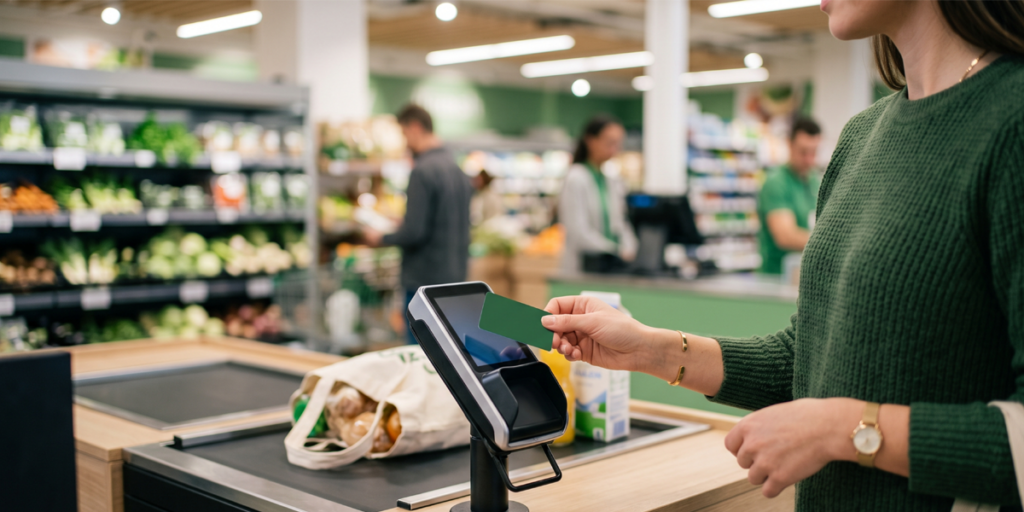
The competitive landscape for quick-service restaurants is expanding well beyond traditional restaurant rivals. Grocery retailers have significantly elevated their prepared food offerings over the past several years, transforming from a place to buy ingredients into a destination for convenient, ready-to-eat meals. From fresh sushi and chef-prepared entrées to hot bars, rotisserie chicken, made-to-order sandwiches, and family meal bundles, grocery stores are increasingly competing for the same lunch and dinner occasions that have historically belonged to QSRs. As inflation continues to influence household budgets, many consumers view grocery prepared foods as offering a stronger combination of value, quality, and convenience.
Consumers are changing how they make dining decisions. Rather than asking, “Which restaurant should I visit?” consumers are increasingly asking, “What’s the easiest, best-value meal for tonight?” That subtle shift dramatically expands the competitive set. A grocery store’s prepared foods, a convenience store’s made-to-order kitchen, a warehouse club food court, or a meal assembled at home may all satisfy the same need as a traditional restaurant visit. For marketers, that means every eating occasion has become more contested than ever before.
This evolution has important implications for media strategy. Restaurants can no longer rely solely on category awareness or brand familiarity to drive visits. Success increasingly depends on influencing consumers at the moment they are deciding what to eat and not simply where to eat. Messaging should emphasize the unique value proposition that distinguishes the brand, whether that’s craveability, freshness, customization, speed, indulgence, or convenience. Media plans should prioritize contextual relevance, local targeting, and daypart-specific messaging that align with real consumer decision moments. As competition for meal occasions intensifies, creative relevance becomes just as important as audience reach.
Sources:
- Business Insider: “Fast food’s newest rival isn’t another burger chain. It’s the grocery store.”
- Business Insider: “The buzziest new restaurant is the grocery store”
- Placer.ai “The 2026 Fight for Value, Precision, and the Middle-Income Consumer”
- Placer.ai “5 Grocery Growth Drivers in 2026”
Regional Chains Are Going National
For years, many of the country’s fastest-growing restaurant brands built loyal followings within a single region. Today, that playbook is changing. Brands once synonymous with a specific part of the country are expanding aggressively into new markets, introducing themselves to entirely new audiences. From Whataburger’s continued growth outside of Texas to Chicken Salad Chick’s push into the Northeast and Zaxby’s expansion into the Midwest, regional favorites are increasingly competing on a national stage. As these brands look beyond their traditional footprints, growth depends not only on opening new restaurants, but on building awareness, relevance, and demand in unfamiliar markets.
Expansion into a new geography presents a unique marketing challenge. Unlike entering an adjacent trade area where consumers already understand the brand, these openings often require educating consumers from the ground up. Awareness, menu familiarity, and even brand pronunciation can’t be taken for granted. That means media must do more than announce a new location. It must introduce the brand’s identity, communicate what makes it different, and establish credibility before consumers ever walk through the door.
Many of these brands are pairing market expansion with localized marketing strategies designed to accelerate trial. Grand opening campaigns frequently combine digital out-of-home, paid social, local radio, influencer partnerships, PR events, community activations, and limited-time offers to generate excitement. Rather than relying on national advertising alone, successful entrants are investing in locally relevant storytelling that helps brands feel like part of the community from day one. This approach allows regional brands to scale while preserving the authenticity that made them successful in the first place.
These expansions offer an important reminder: new store growth and new market growth require different strategies. Opening another location in an established market is largely about driving location awareness and convenience. Entering a brand new market requires building the entire purchase funnel — from awareness and consideration to first trial, repeat visitation, and loyalty.
Sources:
- QSR Magazine: The 2025 QSR 50: Fast Food’s Leading Annual Report
- QSR Magazine: QSR Franchising Industry Slated for Cautious Growth in 2026
- QSR Magazine: Chicken Salad Chick Finds Record Growth in Category of One
- Charlotte Business Journal: Whataburger Expands Across the Carolinas
- Chicago Business Journal: Growing to Win – Why Zaxbys is expanding to Chicago
America250: The Brands That Became Part of the Celebration
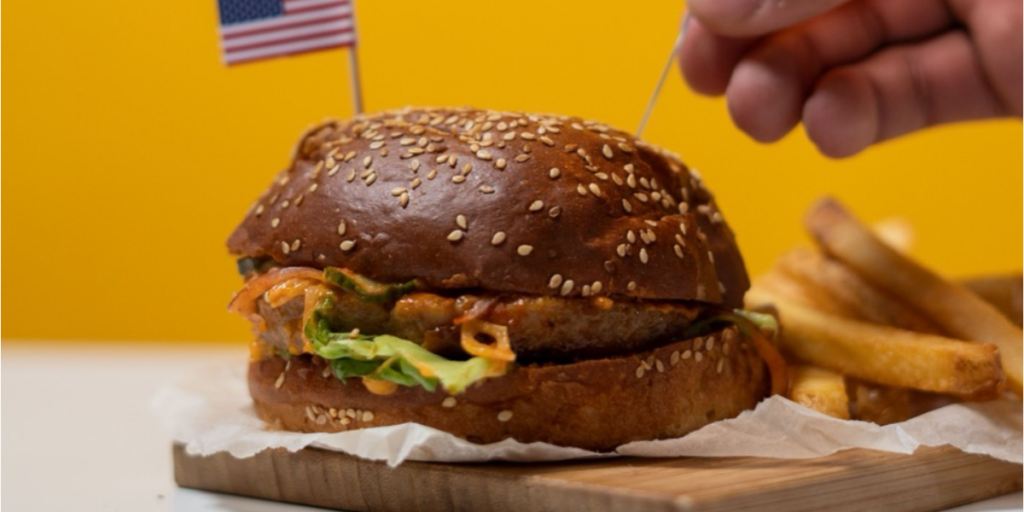
America’s 250th Anniversary gave restaurant brands far more than another holiday promotion. It created a rare opportunity to become part of a once-in-a-generation cultural moment. While many QSRs introduced patriotic menu items or limited-time offers, the brands that stood out looked beyond discounts and themed products. Instead, they developed campaigns that tapped into nostalgia, community, and Americana, creating experiences consumers wanted to engage with and share.
Some of the most memorable activations demonstrated how integrated marketing can elevate a seasonal campaign. McDonald’s celebrated with the return of its original Fried Apple Pie and a 35-foot pie installation along historic Route 66, generating significant earned media and social conversation. Chick-fil-A took a longer-term approach by becoming an official partner of the America250 celebration, reinforcing its community-focused brand positioning. Meanwhile, Chicken Salad Chick cleverly tied its Independence Day promotion to the nation’s founding with a $17.76 offer. Huey Magoo’s extended the celebration through collectible merchandise and local community events. Across each example, the common thread wasn’t simply patriotic creative; it was giving consumers a reason to participate.
The strongest occasion-based campaigns don’t begin and end with a promotional offer. They start by identifying the authentic role a brand can play within a broader cultural moment. Media then serves as the amplifier, bringing that story to life through a coordinated mix of paid, owned, earned, influencer, experiential, and local activation. As we look ahead to future tentpole moments, from major sporting events to seasonal holidays, brands shouldn’t merely advertise around the occasion. Instead, they should look to build campaigns that feel genuinely connected to how consumers celebrate.
Sources:
- Restaurant Business – The restaurant industry helped birth America. Now it’s celebrating its 250th anniversary
- QSR Magazine – Chicken Salad Chick’s $17.76 Independence Day promotion
- Burger Beast – America250 Food Guide
For more information, visit harmelin.com, or connect with us on LinkedIn or Facebook.