
Travel demand is strong; however, costs, loyalty, and AI are changing how travelers choose and reshaping how brands compete.
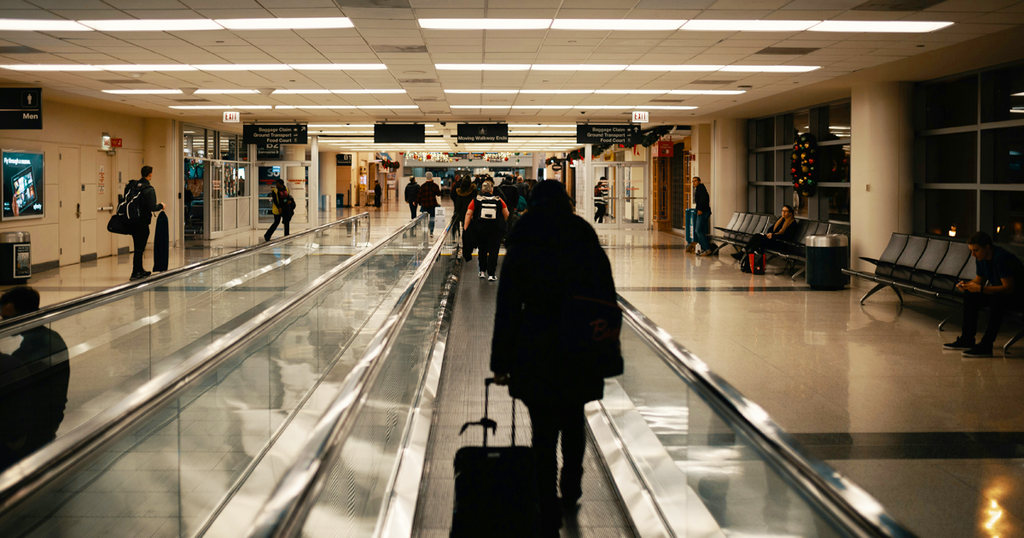
Traveler demand remains resilient as consumers remain eager to travel, even as economic uncertainty influences how they budget and book.
Demand Keeps Moving
Travelers are still making room for trips in their budgets. Future Partners reported that nearly 88% of American travelers showed strong excitement for leisure travel in the next 12 months. The same research found that the average American traveler plans to take 3.8 leisure trips in the next year, up from 3.6 in the prior month. This creates a stronger planning environment for destinations, hotels, attractions, and travel brands.
It does not mean consumers are unconcerned about the economy; it means travel continues to hold emotional value, even when households are watching discretionary spending. For smaller advertisers, that makes timing and message discipline especially important. Brands should avoid solely running broad awareness campaigns and begin to focus on value, ease, and clear reasons to choose now.
Travel Weekly reported that last minute bookings are still prevalent in 2026, with some travelers requesting trips less than a month before departure. That pattern changes how advertisers should think about timing. Demand can appear far out, then convert quickly when consumers finally commit. Brands that keep always-on lower-funnel media, updated inventory messaging, and flexible creative are better positioned to capture these late decisions.
Sources:
- Future Partners, The State of the American Traveler in July 2026
- Travel Weekly, Advisors Continue To Get Lots Of Close-In Bookings
Costs still shape the trip. Price pressure remains the clearest barrier to incremental travel, even as overall intent improves.
Value Needs Proof
High costs remain a meaningful drag on travel behavior. Future Partners found that 37% of travelers said travel is expensive right now. Among other reasons, 32% cited gasoline prices, 31% cited personal finances, and 28% said the increase in airfare is why they didn’t travel more than preferred.
Research also found that 28% postponed an upcoming trip due to rising costs, while 16% canceled a trip. For tourism advertisers, this points to a more practical role for media, which can include promoting bundled offers, off-peak pricing, shorter itineraries, road-trip routes, or transparent total cost messaging. Media should help reduce uncertainty, particularly during times when economic changes are affecting everyone.
There are brands that could have an advantage here if they’re able to be more nimble than other advertisers. Regional destinations, independent hotels, and attractions can quickly shift their creative to highlight affordability, convenient parking, local deals, or family-friendly value. The ability to respond quickly to changing consumer needs can help stay relevant and capture demand as priorities shift.
Source: Future Partners, The State of the American Traveler in July 2026
Loyalty is earned over time. While travel participation is steady, brand attachment remains fragile across airlines and hotels.
Experience Beats Points
Provoke Insights found that nearly one in five Americans purchased airline tickets in the past month, while 20% booked a hotel stay. This demand does not, however, translate into brand loyalty as airlines scored 0% on the Brand Loyalty Index, while hotels scored -7%. This suggests that consumers remain willing to travel but may be less committed to sticking with the same brands.
Quality is the strongest loyalty driver, cited by 53% of airline purchasers and 58% of hotel stay purchasers. This should shift how travel brands approach and think about retention. While rewards programs still matter, they do not offset or compensate for a poor trip experience. Provoke reported that 27% of airline purchasers and 25% of hotel stay purchasers would abandon a brand following a bad personal experience.
For smaller clients, loyalty strategies should focus less on competing with points systems and more on delivering memorable service, responsive communication, and stress-free planning. Smaller brands may not be able to match the scale of major loyalty programs, but they can differentiate through the experience they provide at each stage of the customer journey. This can turn a one-time visitor into a repeat — or over time, loyal — customer, giving brands a meaningful way to compete beyond price.
Source: Provoke Insights, Travel Brand Loyalty: 2026 Consumer Research & Trends

Artificial intelligence is reshaping how travelers discover and evaluate options, particularly when researching hotels and destinations.
Visibility Starts with Data
Hospitality Net reported that only 6% of hotels appear consistently in AI-generated recommendations, while 82% of AI-cited hotel content comes from online travel agencies (OTAs) and editorial media rather than from the hotels themselves. This matters because AI-driven discovery is much different than traditional search — instead of showing pages of results, AI often narrows the field to just two or three recommendations. For hotels and destinations, being visible in that short list may become just as important as ranking well in traditional search.
For the industry, this changes both the role of content and how travelers receive it. A brand’s website still matters, but it may increasingly function as a verification tool after a traveler has already been influenced by AI, OTAs, reviews, or editorial sources. Travel Weekly noted that AI can also make travel advisors more relevant by helping them focus travelers on value rather than price.
Hotels and destinations should treat structured, consistent information as a foundation for media. Accurate amenities, location details, pricing language, accessibility information, and experience descriptions should be consistent across owned websites, OTAs, Google profiles, destination pages, and media placements. The more accurate and consistent that information is, the more opportunities a brand creates to be discovered and ultimately considered by both AI systems and travelers.
Sources:
For more information, visit harmelin.com, or connect with us on LinkedIn or Facebook.