

As the QSR industry moves through the second half of 2026, restaurant brands continue to navigate soft traffic, evolving market conditions, and increasing pressure to deliver value. This month’s update explores four key trends shaping restaurant performance, including persistent traffic challenges, revised industry growth expectations, easing inflation, and the impact of rising fuel costs on consumer dining behavior.
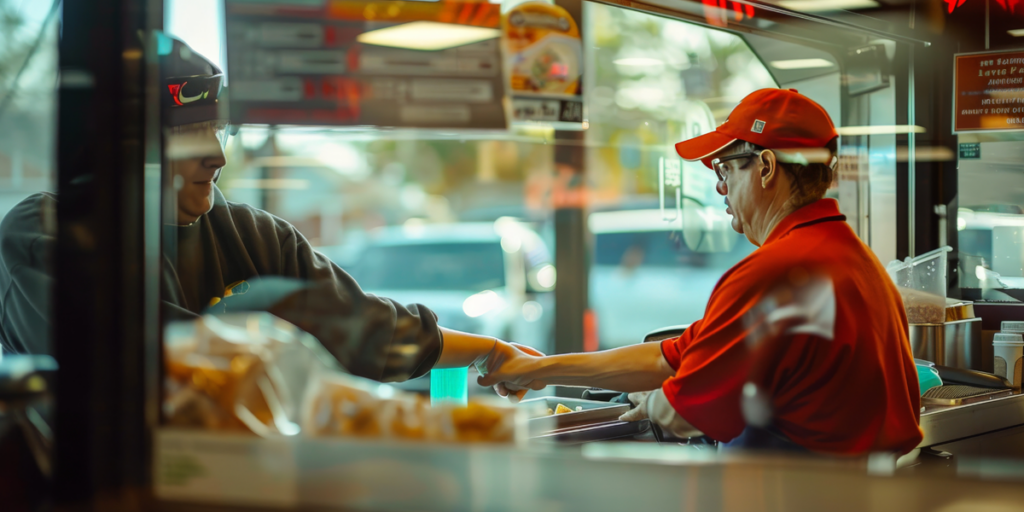
Despite positive sales growth across the QSR space, customer traffic remains under pressure. Industry data indicates that revenue gains are being driven primarily by higher average purchase amounts rather than increases in actual guest visits, creating ongoing challenges for QSR brands seeking sustainable growth.
The Traffic Recovery Hasn’t Arrived
The QSR industry continues to face a fundamental challenge in 2026. Consumers are spending, but they are not necessarily visiting more often. Recent data from Revenue Management Solutions found that QSR traffic declined 1.2% year-over-year during Q2 2026, even as net sales increased 2.0%, suggesting that restaurant growth continues to be driven by pricing and higher average orders rather than increased visitation.
Additional industry indicators reinforce this trend. According to the National Restaurant Association, only 29% of restaurant operators reported increased customer traffic in May, while 45% reported lower traffic levels. May marked the 15th time in the last 16 months that businesses reported a net decline in customer traffic.
The National Restaurant Association also noted in its July economic outlook that customer traffic remains uneven across the industry, with much of restaurant sales growth continuing to be driven by higher menu prices rather than increased foot traffic.
From our perspective, these trends suggest that traffic, not sales, has become the industry’s most important performance indicator. While price increases can support short-term revenue growth, long-term success will depend on brands’ ability to drive visit frequency and create compelling reasons for consumers to return more often.
Sources:
- https://www.revenuemanage.com/trends/restaurant-trends-july-2026-q2-2026/
- https://restaurant.org/research-and-media/research/restaurant-economic-insights/economic-indicators/same-store-sales-and-customer-traffic/
- https://restaurant.org/research-and-media/research/restaurant-economic-insights/restaurant-performance-index/
- https://restaurant.org/research-and-media/research/restaurant-economic-insights/analysis-commentary/restaurants-remain-resilient-despite-challenging-business-conditions/

The National Restaurant Association revised its outlook for the restaurant industry in July, citing higher fuel costs, uneven traffic trends, and ongoing economic pressures. While restaurant sales are still expected to grow in 2026, industry expectations have become more measured as brands navigate a challenging operating environment.
Growth Expectations Recalibrated
While the restaurant industry continues to demonstrate resilience, recent economic conditions have prompted a more cautious outlook for the remainder of 2026. In July, the National Restaurant Association noted that business conditions during the first half of the year proved more challenging than originally anticipated, driven largely by higher fuel prices and continued pressure on household budgets.
As a result, the Association lowered its projected restaurant and foodservice sales growth forecast for 2026 from 4.8% to 4.3%. Although overall sales are still expected to increase, the revised forecast reflects the reality that many restaurant brands continue to face softer traffic trends and increased competition for consumer spending. The Association also noted that much of the industry’s projected growth continues to be driven by menu pricing rather than increased guest counts.
Despite these challenges, consumer demand remains relatively steady. The National Restaurant Association reported that restaurants continue to rank among consumers’ preferred spending categories, particularly during travel and leisure occasions. However, brands are increasingly balancing growth ambitions with the realities of a more cautious consumer environment and persistent cost pressures.
The revised outlook highlights the vital importance of sustainable growth strategies. As traffic remains uneven and consumer spending becomes more selective, restaurant brands may need to look beyond pricing and focus on strengthening guest loyalty, improving value perception, and creating compelling reasons for consumers to visit more frequently. Brands that successfully adapt to these market conditions will likely be better positioned to outperform broader industry trends in the months ahead.
Sources:
- https://restaurant.org/research-and-media/research/restaurant-economic-insights/analysis-commentary/restaurants-remain-resilient-despite-challenging-business-conditions/
- https://restaurant.org/research-and-media/research/restaurant-economic-insights/restaurant-performance-index/

Restaurant inflation has eased significantly in recent months, yet consumer demand remains restrained, highlighting a gap between economic improvements and consumer confidence.
Inflation Relief Isn’t Enough
Recent economic reports show encouraging signs for restaurant operators. Menu price inflation slowed to 3.4% year-over-year in June 2026, representing the slowest annual increase in 17 months. Food-away-from-home inflation also continues to moderate, providing relief for both operators and consumers.
However, lower inflation has yet to produce a meaningful boost in restaurant traffic. Consumers continue exhibiting cautious spending behavior despite an improving inflation environment, suggesting concerns extend beyond the price of a single meal.
We believe this highlights a broader challenge facing the industry, which is value perception. Consumers are not simply looking for lower prices; they are looking for confidence that their spending is worthwhile. Convenience, service, digital experiences, and product quality increasingly influence whether guests perceive an offering as valuable.
For operators, this means traffic recovery may depend less on promotional pricing and more on strengthening the overall value proposition. Brands able to deliver both affordability and a differentiated experience are likely to be better positioned as the market evolves.
Sources:
- https://restaurant.org/research-and-media/research/restaurant-economic-insights/economic-indicators/menu-prices/
- https://www.ers.usda.gov/data-products/food-price-outlook/summary-findings
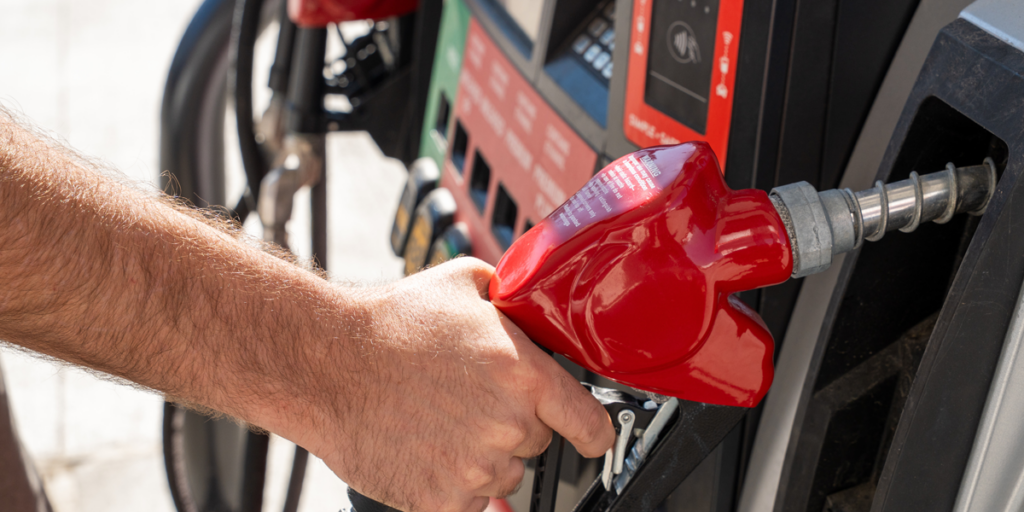
Rising fuel prices emerged as an unexpected pain point for the restaurant industry during the first half of 2026. Industry observers increasingly pointed to higher transportation costs as a factor contributing to weaker QSR traffic and reduced visit frequency.
Gas Prices Influencing Dining Decisions
While inflation has begun to ease in several areas of the economy, fuel costs reemerged as a challenge for consumers during July. AAA reported that the national average price of gasoline climbed back above $4 per gallon, driven by ongoing volatility in global energy markets. Higher fuel costs place added stress on household budgets, often reducing spending available for restaurant occasions.
The National Restaurant Association recently highlighted elevated gas prices as one of the primary factors contributing to a more challenging operating environment during the first half of 2026. Although consumers continue to prioritize restaurant spending, increased spending at the pump has added another layer of competition for wallet share. As a result, many restaurants are facing uneven traffic trends despite relatively stable sales performance.
Recent analysis from Revenue Management Solutions found a measurable relationship between fuel costs and QSR visitation. According to RMS, increases in gas prices can lead to declines in visit frequency, with consumers becoming more selective about dining occasions and consolidating trips when fuel costs rise. The impact is particularly notable for convenience-driven visits, including drive-thru transactions and other quick dining occasions.
The resurgence of higher fuel prices reinforces a broader theme emerging throughout 2026: consumers are evaluating every purchase more carefully. As restaurants compete for fewer dining visits, brands that successfully communicate convenience, value, and relevance will be better positioned to maintain traffic levels despite economic pressures.
Sources:
- https://gasprices.aaa.com/2026/07/
- https://restaurant.org/research-and-media/research/restaurant-economic-insights/analysis-commentary/restaurants-remain-resilient-despite-challenging-business-conditions/
- https://www.revenuemanage.com/blog/gas-prices-drive-thru-impact/
For more information, visit harmelin.com, or connect with us on LinkedIn or Facebook.