In our annual Media Channel Trends presentation, we dove into hot topics and insights across key channels including video, search, social and more. The session explores how artificial intelligence, personalization and platform fluidity are reshaping media strategy—offering insights to guide your planning in 2026 and beyond.
Emerging Trends
Q3 2025 Education Trends: AI, Immersive Tech & Skills Learning

Education trends continue to focus on AI-powered personalization and automation, immersive and hybrid technologies, and evolving learning models including microlearning and skills-based education.

Virtual and augmented reality are poised to become mainstream, enabling immersive learning including virtual field trips, simulations, and interactive environments. This enhances engagement, especially in STEM and technical subjects.
Immersive Technologies (VR/AR/Metaverse)
Forbes paints a compelling picture of how education is undergoing a seismic shift, driven by technological innovation and the demands of a rapidly changing workforce. Traditional models of education, where learning is front-loaded in youth, are being replaced by lifelong, adaptive learning ecosystems. Technologies like AI, AR/VR, and even neurotechnology, are not just enhancing how we learn; they’re redefining what learning looks like. Immersive virtual environments and AI-driven personalization promise to democratize access and tailor education to individual needs, while also raising important questions about equity, privacy, and the evolving role of human educators.
One of the most exciting and controversial developments is the potential for brain-computer interfaces to accelerate learning. While still in early stages, these technologies could revolutionize how we acquire knowledge and skills, especially for learners with disabilities. As with any powerful tool though, ethical considerations must be front and center. Who controls the data? How do we ensure these tools are used to empower rather than exploit? The promise of optimized learning is tantalizing, but it must be balanced with a commitment to human dignity and oversight.
Looking ahead, the most profound shift may not be technological, but cultural. The normalization of continuous education, through micro-learning, modular programs, and employer-sponsored upskilling, signals a future where learning is no longer confined to classrooms or age brackets. This shift demands a rethinking of how we measure success, how we credential knowledge, and how we support learners across their entire lifespan. The challenge for educators and policymakers is not just to adopt new tools, but to cultivate a mindset of curiosity, adaptability, and resilience. The future of education isn’t only about what we learn, it’s about how we stay ready to learn again and again.

The move away from traditional degree models continues, with accelerated programs, microcredentials, and microlearning gaining ground, offering greater flexibility and direct alignment with industry needs.
Hybrid, Micro, and Skills-Based Learning
Higher education is undergoing a transformative shift, driven by technological innovation and changing student expectations. The integration of AI and automation is streamlining both learning and administrative processes, allowing institutions to personalize education while improving operational efficiency. EdTech continues to expand, with hybrid and fully digital learning environments becoming the norm. These tools not only enhance accessibility; they also redefine the classroom experience, making education more interactive and inclusive. As universities embrace these technologies, they must also invest in digital infrastructure and faculty training to ensure meaningful implementation.
The rise of non-traditional programs and accelerated degree pathways reflects a growing demand for flexibility and affordability. Students are increasingly seeking alternatives to the traditional four-year model, opting for certificate programs, vocational training, and “degree in three” options that align more closely with career goals and financial realities. This shift is also a response to evolving workforce demands, where interdisciplinary skills and adaptability are more valuable than ever. Universities are responding by offering programs that blend technical expertise with business and communication skills, preparing graduates for a dynamic job market.
In our view, the most exciting trend is the increase of global collaboration through remote learning. This not only democratizes access to education but also fosters cross-cultural exchange and innovation. However, institutions must be cautious not to lose sight of the human element — mentorship, community, and emotional support remain critical to student success. As we move into the 2025/2026 academic year, the challenge for higher education will be to balance technological advancement with human-centered design, ensuring that students are not just prepared for the future of work, but also equipped to thrive in a globally connected world.
Source: https://hepinc.com/newsroom/6-trends-were-seeing-in-higher-education/

Online platforms are enabling cross-border collaboration, global classrooms, and lifelong learning. Blockchain-based credentials and microlearning are helping surmount access barriers.
Global Accessibility & Lifelong Learning
Online education in 2026 is no longer a secondary option; it’s a dynamic, tech-driven ecosystem reshaping how we learn, teach, and credential knowledge. AI-powered personalized learning is at the forefront, enabling platforms to tailor content in real time, provide instant feedback, and support learners with 24/7 tutoring. This shift not only enhances student outcomes, but also redefines the educator’s role, allowing instructors to focus on mentorship and emotional support. Meanwhile, AR and VR technologies are making learning more experiential, bridging the gap between theory and practice in fields like medicine, business, and history.
Microlearning and blockchain credentials are also transforming the structure and credibility of online education. Bite-sized content formats cater to modern attention spans and busy lifestyles, while blockchain ensures secure, verifiable records of achievement, critical in a global, modular learning environment. Learning analytics further empowers institutions to intervene early and optimize course design, while real-time translation and cross-border collaboration are making classrooms truly global. These innovations are not simply technological upgrades; they represent a fundamental shift in how education is accessed, delivered, and valued.
The most profound change is the redefinition of the educator’s role, from lecturer to coach. As content delivery becomes increasingly automated, the human element of education, guidance, empathy, and personalized support, becomes even more vital. This shift demands new training models for educators and a renewed focus on soft skills, which are now embedded into curricula to meet evolving workforce demands. The challenge ahead is ensuring that technology enhances, not replaces, the human connection at the heart of learning. Institutions that strike this balance will lead the way in shaping a more inclusive, flexible, and future-ready education landscape.
Source: https://www.ssbm.ch/top-trends-in-online-education-for-2026-ai-ar-and-beyond/
For more information, visit harmelin.com, or connect with us on LinkedIn or Facebook.
Q3 2025 Healthcare Trends: Ads, Policy Shifts & Trust Challenges
From ad strategies and regulatory shifts to looming legislation and eroding trust, the healthcare industry is facing a pivotal moment but are organizations ready to respond?

When Healthcare Ads Hit the Sweet Spot and When They Get Too Personal
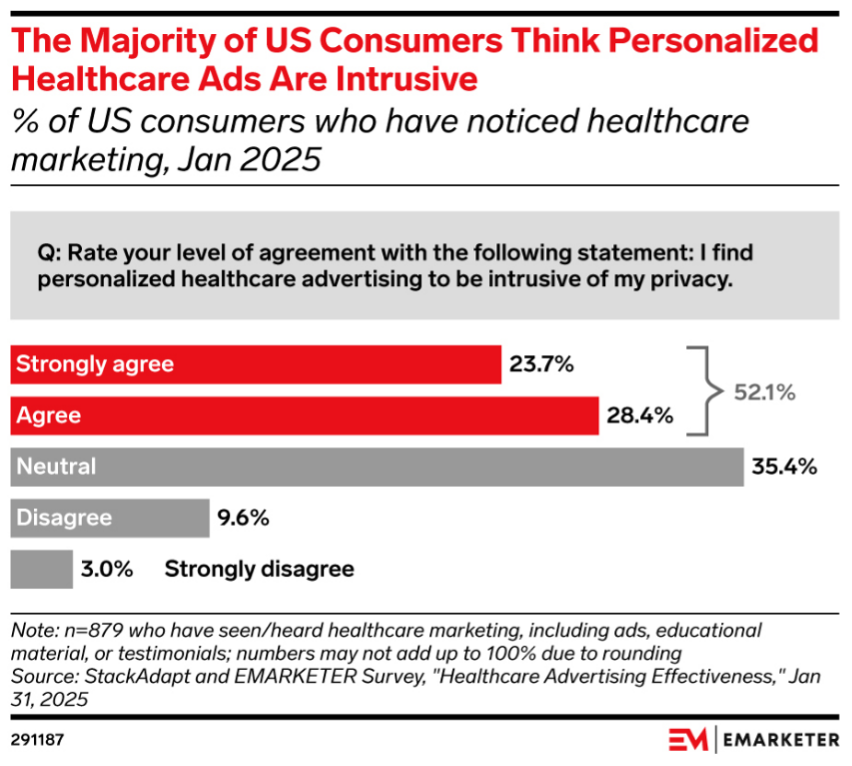
Serving the right message to the right audience is always a goal for marketers but in healthcare, personalization can go too far. According to Emarketer and StackAdapt’s “Healthcare Advertising Effectiveness Survey” in January 2025, healthcare ads are moving consumers to take action while also raising privacy red flags.
In a breakdown of consumer responses to healthcare advertisements we see: 34% of consumers researched information online after seeing a healthcare ad, 24% discussed the ad with a healthcare professional or insurer, 20% consulted family or friends, 16% clicked on the ad, and 13% ultimately purchased the product or service. These insights highlight the importance of informative and trustworthy advertising in influencing consumer behavior.
However, privacy concerns persist with 52% of consumers saying that they feel that personalized healthcare ads intrude on privacy. 64% are concerned about how their healthcare data is used by advertisers, with only 10% feeling comfortable with how their information is being used.
Consumers engage with personalized ads, but the research shows there is a limit, and we as marketers can go too far. The best way forward is to use technology to target efficiently while being clear with consumers about why they were targeted.

Future Proofing Healthcare: The Merger Movement Ahead
The Trump administration revoked a Biden-era Executive Order on competition in August. The order was intended to boost competition and break up monopolies across all sectors. The reversal demonstrates the differences the two administrations have on government regulation policy.
This move signals eased regulatory oversight at the federal level, more streamlined merger reviews, and increased opportunity for hospital system growth through mergers. This also indicates that mergers will be evaluated on a case-by-case basis rather broadly opposing transactions.
States continue to have input in approving mergers. Attorneys General are taking a more active role as federal oversight decreases. Healthcare companies should consider the state’s approach and history relative to mergers.
Source: https://www.modernhealthcare.com/providers/mh-trump-executive-order-anti-competition-ftc

What Does the OBBBA Mean for Your Business?
The One Big Beautiful Bill Act (OBBBA), signed into law on July 4, 2025, brings major changes to the healthcare landscape, impacting Medicaid, Medicare, and the Affordable Care Act (ACA). This far-reaching legislation will touch consumers and impact all healthcare sectors. Hospitals, Insurers, and consumers are all trying to understand the implications.
The Act aims to reduce federal healthcare spending and increase oversight of Medicaid and ACA programs, with provisions like work requirements for Medicaid recipients, stricter eligibility checks, and changes to ACA premium tax credits. These changes are projected to reduce federal spending by over $1 trillion over a decade but also lead to 10.9 million losing coverage and create challenges for healthcare systems and payers alike.
Impact on hospitals:
More uninsured Americans will mean a surge in uncompensated care for all hospitals.
Delayed care will put strain on Emergency Departments as patients arrive sicker.
Regulatory/compliance changes will present an administrative burden for hospital staff. Rural and critical access hospitals — already under financial stress — face an even steeper cliff as payments remain flat despite rising need. Children’s hospitals rely heavily on Medicaid funding, as it provides coverage for a significant portion of their patients.
Impact on insurers:
Insurers will feel the $910 billion in reimbursement reductions from federal programs.
ACA subsidies will expire, pushing younger, healthier members out of the market, increasing adverse selection and medical loss ratios, and raising commercial insurance rates. Higher churn rates due to work requirements and eligibility re-verifications will add to administrative burden.
Impact on consumers:
Millions of Americans face simultaneous loss of insurance and social supports and most notably coverage through Medicaid and nutrition through SNAP. Community health centers and local public health infrastructure may be especially affected, leading to gaps in maternal health, behavioral health, and immunization programs. These disruptions will disproportionately impact low-income and rural populations. Young adults aged 19–29 are expected to face the largest loss of insurance. Finally, the public will suffer confusion while adapting to several changing conditions at once.
What are healthcare organizations doing to prepare now?
Hospitals have adopted AI to streamline workflow, repetitive tasks, records, etc. It cannot stop there. Hospitals are continuing to seek AI-powered efficiencies across documentation, staffing, procurement, claims processing, and more.
- Manage operational costs through Group Purchasing Organizations, rethinking supply chains and procurement strategies to reduce costs.
- Work with local health departments to reduce duplicative services.
- Where relevant, apply for the Rural Health Transformation Program funding.
Insurers can prepare for new documentation requirements by training staff and upgrading systems now. Adopt AI solutions to track eligibility, detect fraud, and target members for retention.

As the Trust Gap Grows, Why Do Consumers Distrust Healthcare Information?
The COVID era damaged consumer trust in healthcare information, no matter the source. No entity in our industry is spared, according to the Emarketer’s “Consumer Distrust in Healthcare 2025” report.
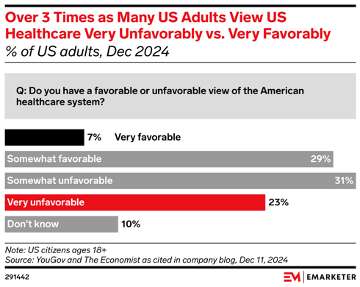
Of those surveyed:
- 66% blame insurers,
- 60% blame pharmaceutical companies and costs,
- 42% blame politicians,
- 34% cite fraud, waste, and abuse, and
- 23% blame healthcare providers.
COVID was a catalyst for this shift in sentiment. Over half of U.S. adults feel that public health officials misled them about COVID-19 vaccines and masking. Political partisanship plays a role here as well. We see that you are more likely to trust government health guidance when your political party is in power.
Big Pharma is blamed by 60% of those surveyed for the problems with U.S. healthcare. 78% answer that they are primarily focused on profits over helping patients. The argument that R&D is what drives costs does not seem to be landing with the American public.
Trust in hospitals has fallen since the pandemic. In 2021, 77% believed that providers were more motivated to deliver high quality care than to make profits. In 2025, that number is down to 31%, according to a Jarrad survey.
Americans seem to feel that insurers’ coverage delays and denials are a major problem, with 29% having this experience themselves. Only 28% surveyed by Gallup report that their coverage is good or excellent, a 16-year survey low.
This erosion of trust is leading to younger adults taking medical advice from unexpected sources like friends, family, and social media. Research shows that 54% end up regretting a health choice made based on unreliable information. We can speculate that this will also lead to lower immunizations and the inevitable problems that will result.
What can the industry do to win back trust?
- Hospitals can use local trusted authorities to engage with neighborhood-level social groups and local, trusted media. Engage in social media to reach younger people with reliable information and respond to comments.
- Insurers and pharmaceutical companies can own previous missteps by addressing transparent explanations for controversial decisions.
- Show the public what is behind medical advice to build trust in your research-backed recommendations.
Source: https://content-na1.emarketer.com/consumer-distrust-healthcare-2025#page-charts
For more information, visit harmelin.com, or connect with us on LinkedIn or Facebook.
Q3 2025 Quarterly Retail Grocery Trends: E-Grocery Growth & Value Pricing
What’s New in Retail Grocery
Consumer behavior continues to evolve rapidly across the grocery landscape, shaped by inflation, shifting priorities, and digital convenience.

E-Grocery surges, with delivery driving growth. In May 2025, U.S. e-grocery sales surged to $8.7 billion, marking a 27% year-over-year increase, according to Brick Meets Click. This growth was largely fueled by a massive 70% jump in delivery order volume, while pickup orders saw a slight decline of about 4%, and ship-to-home sales rose by 21%. The sharp increase in delivery reflects evolving consumer preferences, particularly among mass and grocery retailers, as shoppers increasingly prioritize convenience, speed, and flexible fulfillment options.
Delivery Insights: Delivery Dominates E-Grocery Growth
For retail advertisers, this trend underscores the accelerating shift toward online grocery shopping and the need to align media strategies with evolving customer behaviors. As delivery becomes the dominant growth driver, advertisers have new opportunities to influence purchase decisions close to the point of fulfillment, from targeted promotions to personalized offers. Retail brands that can connect with customers across digital channels and highlight delivery convenience will be better positioned to capture market share in this rapidly expanding e-commerce space.
Delivery-first consumers emphasize the need for media strategies that highlight convenience, speed, and subscription benefits, especially across paid search, social, and CTV channels.

Beef Prices Soar, Becoming the New Measure of Inflation. Beef has emerged as the new eggs, a previously affordable staple now signaling inflationary pressure. Just as egg price spikes once underscored supply shocks and rising costs, soaring beef prices now reflect broader economic strain.
Pricing Insights: Beef Becomes the New Economic Signal
Consumer budgets are under stress, particularly as beef often takes a significant share of the protein basket. While falling egg prices provide some relief, the soaring cost of beef offsets those gains.
Sustained beef purchases, even in the face of tightening household spending, suggests that consumers prioritize trusted, versatile protein.
Beef now serves as a macroeconomic indicator, akin to eggs in prior cycles. Persistent high prices and resilient demand make beef both an economic bellwether and a source of consumer friction.

Produce Surges Despite Inflation as Health, Deals, & Digital Lead the Way. The Packer’s Fresh Trends 2025 survey reveals that despite inflation and economic uncertainty, fresh produce remains a priority for consumers, especially younger generations, with 75% of Millennials and 78% of Gen Z reporting increased consumption.
Pricing Insights: Fresh Produce Defies Inflation
Shoppers are open to trying new fruits and vegetables, heavily influenced by promotions, social media, and health priorities.
However, economic pressures are impacting behavior, with 90% noticing price increases, 66% buying more online, and many opting for store brands or cutting back on value-added and organic produce.
Retailers and brands must balance health messaging with value-driven promotions, leverage social media for product discovery, and optimize fresh offerings across both in-store and online channels to capitalize on sustained demand amid economic uncertainty.
Source: https://www.thepacker.com/news/retail/fresh-trends-2025-driving-demand-age-uncertainty
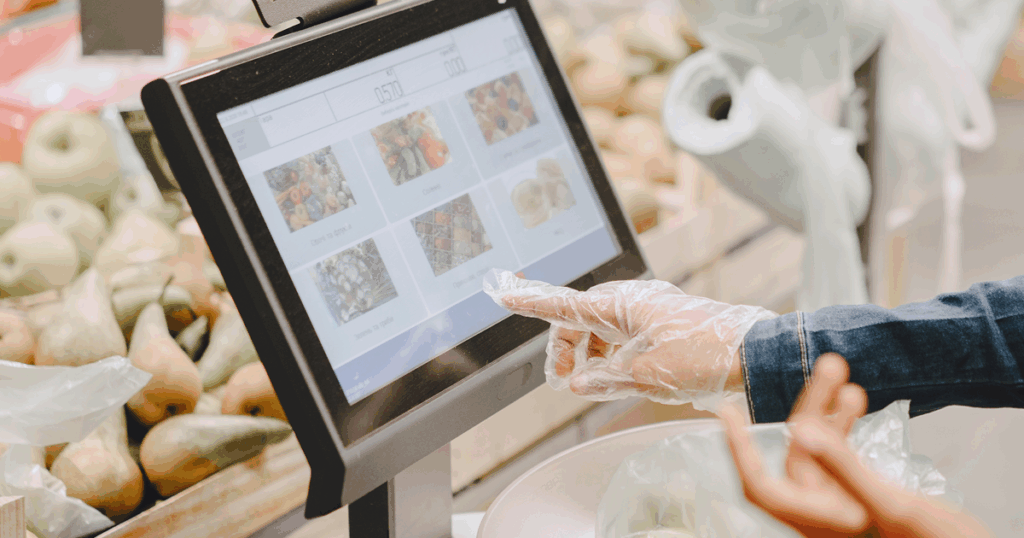
Retail Media Networks Go In‑Store as Screens & Audio Amplify Shopper Touchpoints. Supermarket News reports that in-store messaging platforms including digital display screens in entryways, delis, pharmacies, and checkout lanes, as well as audio broadcasts, are becoming essential components of Retail Media Networks (RMNs). Retailers like Hy‑Vee, Walmart, and Kroger are rolling out these tools to deliver targeted brand messages at key points of rest and purchase, enhancing visibility and shopper engagement inside the store.
Retail Media Network Insights: Retail Media Moves In-Store
These in-store media surfaces complement online RMN efforts, thanks to their vast reach. Walmart reports monthly in-store audiences of 212 million versus 125 million online. Industry estimates suggest U.S. RMN ad spending could nearly double from $50 billion in 2023 to $106 billion by 2027.
In-store media offers brands high-impact, contextually relevant touchpoints at the moment of purchase, expanding RMNs beyond digital channels and enabling retailers to capitalize on their in-store audience scale.
For more information, visit harmelin.com, or connect with us on LinkedIn or Facebook.
Q3 2025 Retail Banking: Personalization, Branches, & Partnerships
Retail Banking continues to evolve, driven by shifting consumer expectations, digital innovation, and strategic partnerships.

Banks Are Failing at Personalization. Only 23% of consumers get tailored advice from their bank. In a recent Financial Brand article, it’s noted that personalization can unlock loyalty and growth, but banks must overcome internal silos and regulatory hesitations to unlock its full potential.
Personalization Insights: Why Banks Struggle and How to Improve
Most banks still rely heavily on financial metrics like FICO scores to determine product eligibility, but that’s not enough anymore. Behavioral and life-stage data, like spending habits, transaction history, and lifestyle patterns, offer a much richer picture of what customers truly need. Early engagement builds trust and improves cross-sell success.
Marketing, customer service, and risk teams often operate in isolation, which leads to fragmented and inconsistent customer experiences. To fix this, banks need cross-functional collaboration and shared data strategies.
Personalization works best when it’s built on trust. Banks should engage customers early in their financial journey with helpful, non-salesy support. For example, instead of pushing a refinancing offer, a bank could help a customer plan for homeownership based on their savings behavior. This kind of life-stage engagement builds credibility and sets the stage for more successful cross-sell opportunities down the line.

The In-Person Banking Experience Is Still Valued. While digital is rising, Mintel reports physical bank locations still matter. While Gen Z and Millennials are more open to switching banks, often driven by rewards and sign-up bonuses, older generations prioritize stability and long-term relationships with their primary financial institutions.
In-Person Banking Insights: Why Branches Still Matter
Over 80% of consumers say it’s important that their bank has a physical location nearby, especially for complex financial needs.
Gen Z and Millennials are more likely to switch banks for better rewards, while Boomers and Gen Xers value consistency.
Tailored advisory services during branch visits can help improve financial health and build long-term loyalty.
Source: https://store.mintel.com/report/us-banking-experience-market-report

Regional banks are teaming up with private credit firms to stay competitive, a strategy Deloitte recently highlighted as reshaping lending and growth. These partnerships allow banks to expand their services without taking on all the risk themselves.
Regional banks have strong relationships with mid-market companies and their local markets that private credit firms want to reach.
Regional Bank Growth Insights: Leveraging Private Credit Partnerships
Private credit is emerging as one of the fastest-growing areas in financial services, and regional banks are well positioned to benefit. As competition from larger national players and digital-only institutions increases, these banks can turn to partnerships with private credit firms to expand lending capabilities and diversify revenue streams.
Regional banks can connect private credit firms with borrowers that are too small for public markets but still need capital. Banks don’t need a one-size-fits-all approach. They can participate through deal sourcing, optional co-investment, joint ventures, or direct lending, depending on how much capital and risk they want to allocate. This flexibility allows regional institutions to choose the level of involvement that aligns with their strategic goals.
Most importantly, these partnerships help banks scale without overextending their balance sheets. By sharing or offloading portions of credit risk, regional institutions remain agile and resilient. This makes them better equipped to adapt to shifting economic conditions while continuing to serve local communities with tailored financial solutions.
Together, these dynamics position regional banks not just to survive, but to thrive, by turning private credit collaboration into a growth engine that complements their traditional strengths.
For more information, visit harmelin.com, or connect with us on LinkedIn or Facebook.
August 2025 QSR Update: AI Drive-Thru, Gen Z & Value Deals
Technology in QSRs is no longer optional — it’s becoming standard. Brands that combine innovation with consistent execution and a human element will win long-term customer loyalty.
Intouch Insight conducts an annual Emerging Experiences Study. This year’s report analyzes how emerging technologies — Voice AI drive-thrus, mobile ordering for pickup, and in-store kiosks — are reshaping the quick service restaurant (QSR) customer experience. It is based on 360 mystery shops across nine top QSR brands, benchmarking new formats against traditional service on speed, accuracy, friendliness, and satisfaction.
Key Findings
Voice AI Drive-Thrus
- Delivered faster service with shorter wait and service times.
- Maintained high friendliness ratings, often matching or exceeding employee interactions.
- Challenges remain — about 22% of visits required employee intervention due to glitches, especially with order customizations.
Mobile ordering (for drive-thru and in-store pickup)
- Reduced wait times, up to 3.5 minutes faster than traditional methods.
- High satisfaction and customization flexibility.
- Some issues: unclear pickup instructions and less upselling compared to in-person orders.
In-store kiosks
- Improved speed and ease, especially when lines were long.
- High satisfaction with ordering and customization.
- Lower friendliness scores (66% vs. 78% benchmark), highlighting a lack of
personal interaction.
Source: 2025 Intouch Insight Emerging Experience Study
Additional Sources: https://www.foodindustry.com/articles/how-big-fast-food-chains-are-going-digital
https://www.qsrmagazine.com/story/revolutionizing-the-restaurant-sector-with-artificial-intelligence-in-2024/
https://www.mobiloud.com/blog/mobile-apps-vs-mobile-websites

Just as travel brands are adapting campaigns to shifting consumer behaviors, QSR brands must also evolve their offerings to meet Gen Z’s expectations.
Gen Z is driving demand for international and fusion flavors, including spicy/sweet combinations and dipping sauces. Think gochujang, hot honey, harissa, etc. his generation is adventurous with their palates and seeks experiences that feel fresh, global, and share-worthy. They’re driving demand for international and fusion flavors—especially bold, layered profiles that blend heat, sweetness, and umami. Spicy-sweet combinations and distinctive dipping sauces are becoming menu staples, from gochujang-glazed wings and hot honey chicken sandwiches to harissa-infused spreads and chili-mango shakes. For QSRs, these flavors not only satisfy taste buds but also deliver the “newness” and cultural relevance Gen Z craves—making them more likely to post, share, and return.
Global & Bold Flavors: Gen Z craves adventurous sauces and spicy/sweet combos that stand
out on social media.
Chicken Focus: Portable, customizable chicken tenders, wraps, and sandwiches dominate menus, driven by Gen Z’s demand for protein and shareable food.
Custom Drinks as Identity: Seasonal, colorful, or functional beverages (e.g., refreshers, teas) let Gen Z express personal taste and then post online.
Value + Customization: Limited time deals and value menus remain essential, but Gen Z expects the freedom to customize their order.
Nostalgia Meets Novelty: Retro items like Snack Wraps return, blending childhood memories with new flavors to spark excitement and social buzz.
Source: https://www.businessinsider.com/biggest-fast-food-trends-2025-3

QSRs boost traffic with $5 deals while adding AI, robots, and drones to cut costs and speed service amid economic headwinds.
In 2025, the restaurant industry is doubling down on value-driven promotions to combat flat traffic and inflation pressures. Major chains like McDonald’s, Burger King, Wendy’s, and Outback Steakhouse are rolling out $5 meal deals, buy one get one offers, and other low-price combos to win back price-sensitive diners. These deals tap into consumers’ demand for affordability without sacrificing menu appeal, especially as dining out remains a discretionary spend for many households. Meanwhile, nostalgia and limited-time items continue to drive buzz and short-term spikes in visits.
At the same time, restaurants are aggressively investing in automation and data integration to improve efficiency and offset rising labor costs. Voice AI in drive-thrus, self-service kiosks, robotic kitchens, and even drone deliveries are helping brands serve customers faster and more consistently. Chipotle, for example, has introduced automated avocado prep and bowl assembly, which cut order times and boosted visits. Behind the scenes, operators are also leveraging predictive analytics for staffing and inventory management to protect margins. While economic uncertainty and recent bankruptcies signal ongoing challenges, brands that blend operational resilience with customer-focused value and tech innovation are best positioned to thrive.
Source: https://www.barrons.com/articles/restaurant-outlook-meal-deals-drones-robots-2025-b5330b9d
For more information, visit harmelin.com, or connect with us on LinkedIn or Facebook.